Express Yourself: How Contemporary Dance Helps Students
Express Yourself How Contemporary Dance Helps Students Tell Stories Through Movement
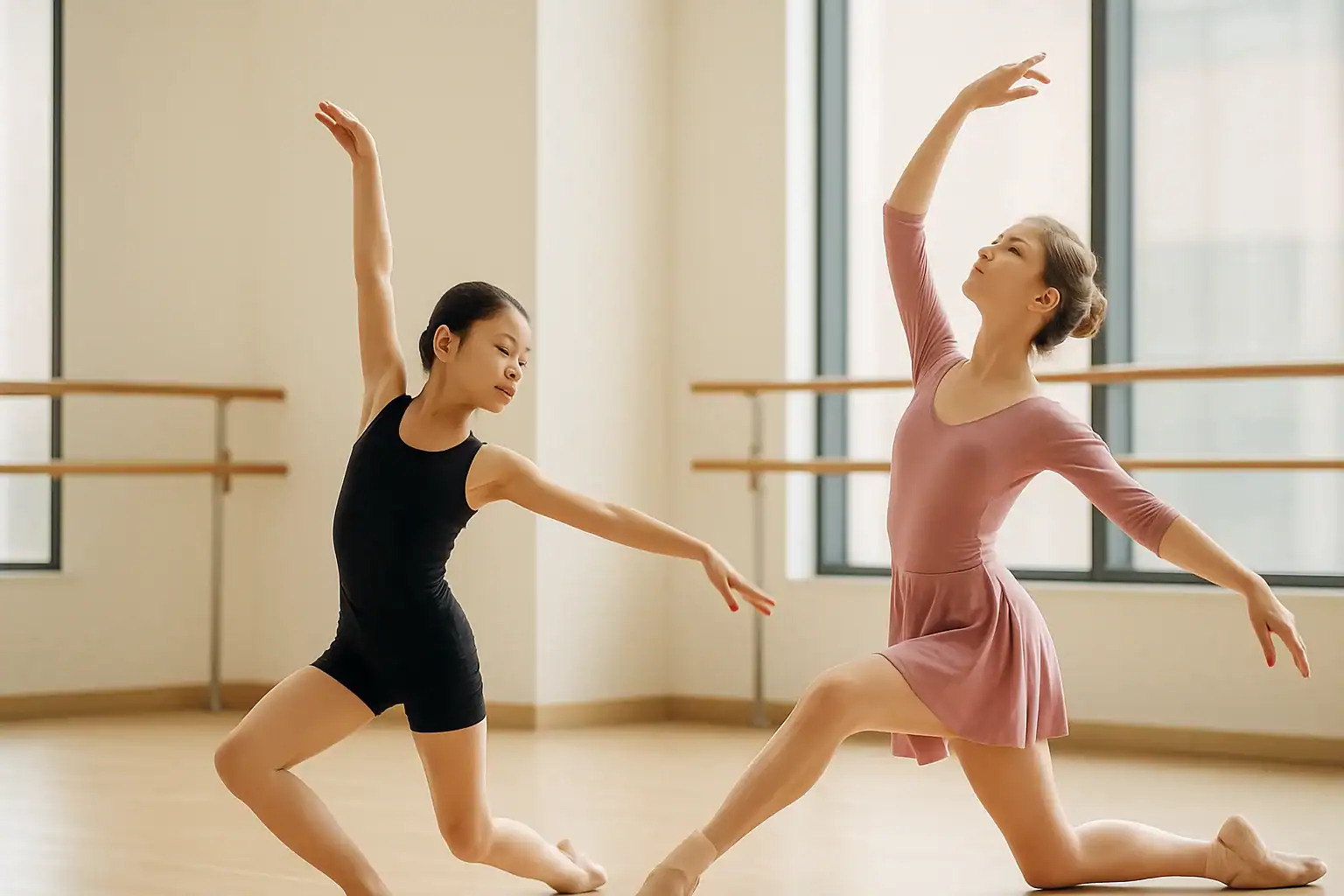
Contemporary dance is a unique form of expression that helps students articulate their emotions and narratives through movement. By blending various dance styles and techniques, students learn how to communicate their stories in a powerful and engaging way. This article explores the profound impact of contemporary dance on student expression, emotional growth, and storytelling.
In this article, you’ll discover how contemporary dance encourages self-expression, the techniques involved, its benefits for emotional intelligence, and how it cultivates creativity. You’ll also learn about the role of contemporary dance in developing a deeper understanding of personal narratives.
The Essence of Contemporary Dance
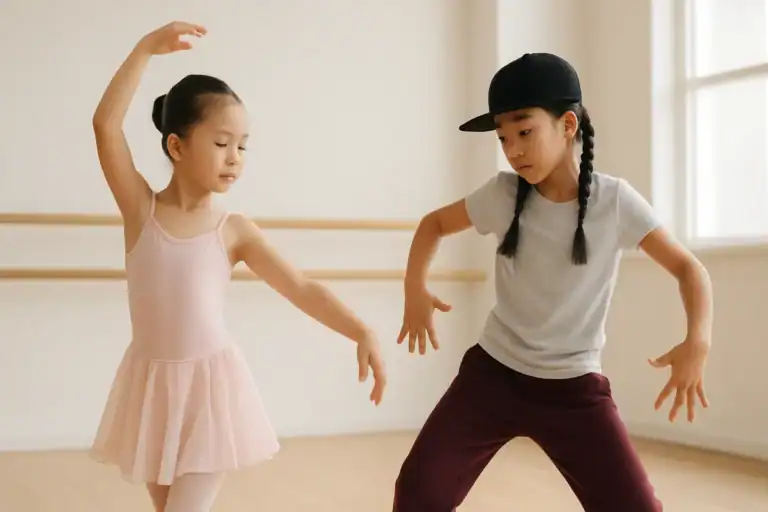
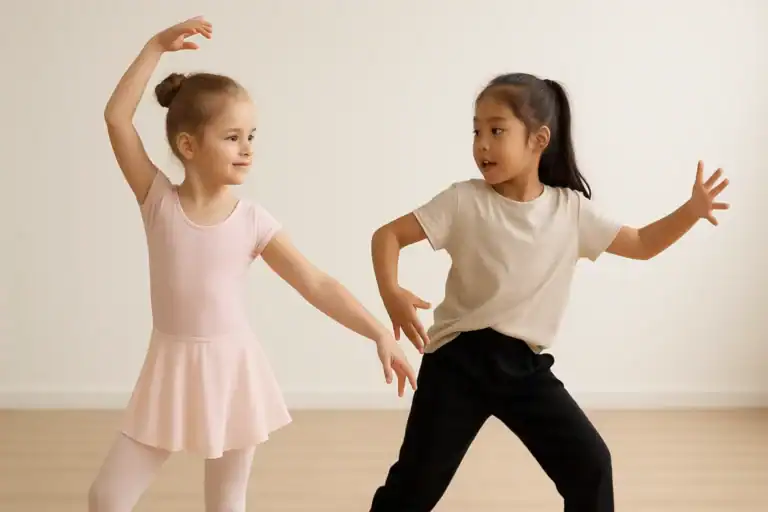
Contemporary dance emerged in the mid-20th century as a reaction to classical ballet and modern dance forms. It incorporates a wide range of styles, including but not limited to jazz, hip-hop, and folk dance. This versatility allows for greater artistic freedom and enables dancers to explore their emotions and convey their stories in unique ways.
The Techniques Behind Expression
Contemporary dance utilizes several techniques that contribute to effective storytelling:
- Improvisation: Dancers often use improvisation to explore their feelings and movements organically. This spontaneous approach allows them to express emotions that may not be easily articulated in words.
- Choreography: Well-structured choreography helps students learn how to translate their personal narratives into movement. The combination of different dance elements creates a compelling visual story.
- Physicality: The use of body language is crucial in contemporary dance. Students learn to express emotions through gestures, facial expressions, and posture, enhancing their storytelling ability.
Emotional Growth Through Movement
Engaging in contemporary dance fosters emotional growth in students. As they learn to express themselves physically, they also develop a deeper understanding of their feelings. This process can result in several benefits:
- Increased Self-Awareness: Through dance, students become more in tune with their emotions, allowing them to express themselves authentically.
- Enhanced Empathy: Contemporary dance encourages students to connect with the emotions of others, fostering empathy and understanding. This connection can lead to stronger relationships both in and out of the dance studio.
- Improved Confidence: As students gain proficiency in their dance skills and storytelling abilities, their self-confidence grows. This newfound confidence often transcends the dance floor, positively impacting other aspects of their lives.
Storytelling in Contemporary Dance
Storytelling is a fundamental aspect of contemporary dance. Dancers often portray narratives that resonate with their personal experiences or broader societal themes. This connection to storytelling makes contemporary dance an effective medium for expression.
Techniques for Effective Storytelling
To tell a story effectively through dance, students can employ several techniques:
- Character Development: Students can create characters that embody their narratives. This not only adds depth to their performances but also allows them to explore different perspectives.
- Theme Exploration: By focusing on specific themes—such as love, loss, or triumph—students can craft stories that resonate with their audience. These themes provide a framework for their movement and choreography.
- Use of Music: Music plays a pivotal role in contemporary dance. The right musical selection enhances the emotional tone of the performance, helping to convey the story effectively.
Real-World Examples
Contemporary dance has been successfully used in various contexts to convey powerful messages. For instance, the iconic piece “Revelations” by Alvin Ailey American Dance Theater explores themes of faith and resilience through movement. Similarly, “The Rite of Spring” by Pina Bausch uses dynamic choreography to address societal conflict and human emotion.
At Asia Gymnastics & Dance Academy (AGDA), we incorporate these storytelling techniques in our contemporary dance classes, helping students learn to express their unique narratives through dance.
Benefits of Cross-Training in Dance and Gymnastics
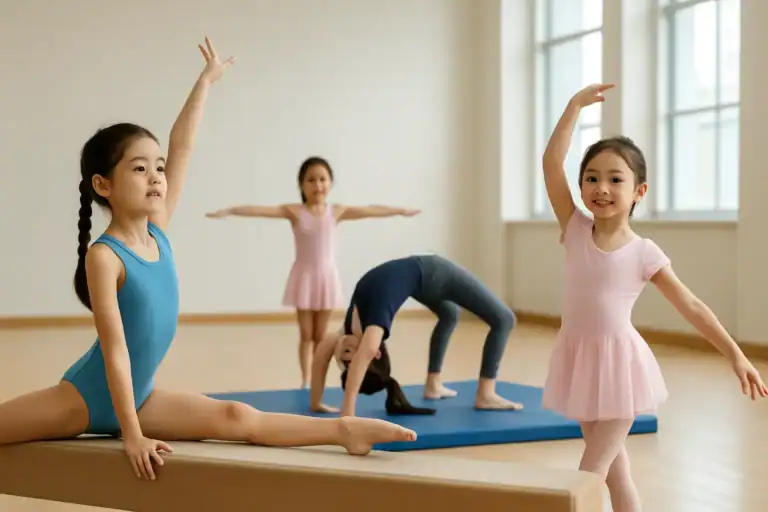
At AGDA, students can experience the benefits of cross-training in both gymnastics and dance. This dual-discipline approach not only enhances physical skills but also enriches their expressive abilities.
Physical Benefits
- Strength and Flexibility: Gymnastics training develops core strength and flexibility, which are essential for contemporary dance. This physical foundation allows dancers to execute movements more fluidly and expressively.
- Body Awareness: Gymnastics promotes a heightened sense of body awareness, leading to improved control and precision in dance movements. This awareness enables students to better convey their narratives through movement.
Creative Benefits
- Increased Creativity: The combination of gymnastics and dance encourages students to think outside the box. They learn to approach movement with innovation, resulting in unique and engaging performances.
- Diverse Movement Vocabulary: Exposure to both disciplines equips students with a broader range of movement techniques, allowing for more dynamic storytelling.
Student Spotlights: Success Stories
Highlighting student achievements is a crucial part of fostering a supportive community at AGDA. Here are some inspiring stories from our students who have thrived through contemporary dance:
- Emily, Age 10: Emily started contemporary dance at AGDA two years ago. Initially shy, she gained confidence through performances and now expresses her emotions beautifully through movement. Her recent solo performance about overcoming obstacles left the audience in tears.
- Ryan, Age 12: Ryan is a competitive gymnast who also participates in contemporary dance. He discovered that the emotional expressiveness in dance enhances his gymnastics routines, making them more captivating. His unique blend of skills has earned him top scores in competitions.
These stories exemplify the power of contemporary dance in helping students express themselves and connect with their emotions.
Tips for Parents: Supporting Your Child’s Dance Journey
As a parent, you play a crucial role in supporting your child’s dance journey. Here are some tips to encourage their growth in contemporary dance:
- Encourage Exploration: Allow your child to explore various dance styles. This exploration can spark creativity and help them find their unique voice.
- Attend Performances: Taking your child to dance performances can provide inspiration and insight into storytelling through movement. Look for local shows or AGDA recitals to attend together.
- Engage in Conversations: Discuss your child’s experiences in dance class. Ask about their favorite movements or stories they want to tell through dance. This engagement reinforces the importance of self-expression.
Conclusion
Contemporary dance provides students with a powerful medium for expressing emotions and telling stories through movement. By engaging in this art form, students develop greater self-awareness, empathy, and confidence. At AGDA, we are committed to nurturing our students’ creative potential through expert instruction and a supportive environment.
If you’re interested in exploring contemporary dance or enrolling your child in our classes, we invite you to visit AGDA. Our expert coaches are ready to help students express themselves through the beauty of movement.
Key Takeaways
- Contemporary dance fosters emotional expression.
- Cross-training enhances skills in both dance and gymnastics.
- AGDA supports students with expert coaching and a nurturing environment.
Frequently Asked Questions
Q: What age can my child start contemporary dance?
How does contemporary dance differ from ballet?
Can contemporary dance help with emotional development?
Are there performance opportunities for students?
What should my child wear to contemporary dance class?
How can I support my child's interest in dance?
Ready to help your child express themselves through contemporary dance? Visit Asia Gymnastics & Dance Academy today to learn more about our classes and enroll!