Jazz Dance And Musicality Helping Kids Hear The Beat
Jazz Dance And Musicality Helping Kids Hear The Beat
Jazz dance significantly boosts kids’ musicality and rhythm, enabling them to hear and interpret music in a rich, expressive way. Through engaging movements and improvisation, children not only learn to dance but also develop a deeper appreciation for music, which can enhance other areas of their lives, such as academic performance and emotional expression.
In this article, we’ll explore how jazz dance fosters musicality in young dancers, the specific skills they gain, and how these lessons can benefit their overall development. Parents will learn why integrating jazz dance into their child’s routine can be a game-changer for both rhythm and creativity.
Understanding Musicality in Dance
Musicality refers to the ability to understand and express music through movement. In jazz dance, musicality is not just about keeping time; it’s about interpreting rhythm, melody, and dynamics in a way that brings a performance to life. Children engaged in jazz dance learn to:
- Hear the beat: Understanding the fundamental rhythm of music allows for accurate timing in movements.
- Interpret dynamics: Changes in volume and tempo can be expressed through varying dance styles and energy levels.
- Express emotions: Music evokes feelings, and dancers learn to convey these emotions through their movements.
Why Jazz Dance?
Jazz dance is a vibrant and energetic dance style that blends different techniques and cultural influences. It encourages creativity and spontaneity, allowing kids to develop their unique style while gaining technical skills.
Unlike more structured dance forms, jazz promotes improvisation, which is a key component of musicality. Children learn to listen to music and move in response, enhancing their ability to hear the beat and feel the rhythm.
The Development of Rhythm in Young Dancers
Rhythm is foundational in all types of dance, but jazz dance places a particular emphasis on syncopation and complex rhythms. Through various activities, children can learn to:
- Clap and count: Simple exercises that involve clapping to the beat help internalize the rhythm.
- Use props: Instruments like tambourines or rhythm sticks can reinforce musical timing in a fun way.
- Participate in group dances: Working with others teaches kids to listen and match their movements to the group, enhancing their rhythmic awareness.
Activities to Improve Rhythm and Musicality
Here are some engaging activities parents and instructors can incorporate into jazz dance classes:
- Clap along to music: Choose different genres and challenge children to clap in time with the beat.
- Dance improvisation games: Let kids dance freely to various music styles, encouraging them to express how the music makes them feel.
- Rhythm echo: Instructors can create a rhythm sequence that children must repeat, helping them develop a keen sense of timing.
Building Coordination Through Jazz Dance
Jazz dance also enhances physical coordination, which is essential for musicality. As children learn to combine their movements with music, they improve their overall body awareness and control. This integration helps them:
- Execute complex movements: Jazz often includes turns, leaps, and isolations that require precise timing with the music.
- Transition smoothly: This skill is vital for maintaining flow during dance routines, making performances more captivating.
The Role of Improvisation in Jazz Dance
Improvisation is a hallmark of jazz dance and provides a unique opportunity for children to connect with music personally. When kids improvise, they:
- Experiment with movement: This freedom fosters creativity, allowing them to discover unique ways to express the music.
- Develop confidence: As they create their own movements, children become more self-assured in their abilities and decisions.
How Jazz Dance Enhances Listening Skills
Listening is a critical component of both musicality and dance. Jazz dance cultivates listening skills through:
- Active engagement: Children must pay attention to changes in the music to adapt their movements accordingly.
- Collaborative activities: Partner work and group choreography require students to listen to their peers, enhancing their ability to respond musically.
Jazz Dance vs. Other Dance Forms
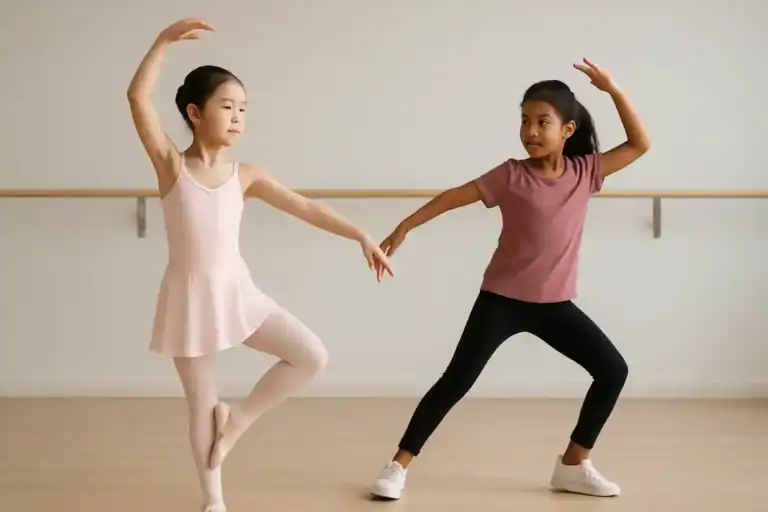
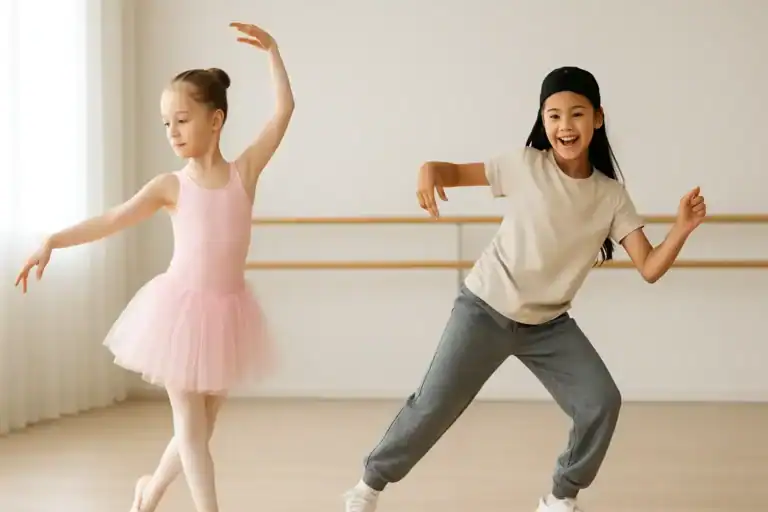
While ballet and contemporary dance also focus on musicality, jazz dance offers a unique blend of rhythm, improvisation, and cultural influences. For example:
- Ballet emphasizes technique and structure, often relying on classical music. While it teaches musicality, it typically follows a more rigid format.
- Contemporary dance incorporates various styles but may not focus specifically on rhythm as much as jazz does.
By participating in jazz dance, children receive a well-rounded education in movement and music that is both fun and beneficial.
The Benefits of Cross-Training in Jazz Dance
At Asia Gymnastics & Dance Academy, we emphasize the unique benefits of cross-training in disciplines like gymnastics and ballet alongside jazz dance. This approach allows students to:
- Enhance physical strength: Gymnastics builds core strength and flexibility, crucial for executing jazz dance movements.
- Cultivate artistic expression: Ballet provides a foundation for musicality and grace, enriching jazz performances.
- Foster a love for dance: Exposure to different styles keeps students engaged and excited about their training.
Tips for Parents to Support Their Child’s Jazz Dance Journey
To help your child thrive in jazz dance, consider these tips:
- Encourage practice at home: Create a space for your child to dance freely and express themselves.
- Attend performances: Watching live performances can inspire kids and deepen their understanding of dance.
- Engage in discussions: Talk about the music they are dancing to and how they can express it through movement.
Student Spotlights: Real Success Stories
Highlighting student achievements can inspire current and prospective students. Here are a few success stories from AGDA:
- Ella, age 8: After joining jazz dance classes, Ella’s confidence soared. She recently performed at a community event and received rave reviews for her expressive movements.
- Lucas, age 10: Initially shy, Lucas found his voice through jazz dance. His rhythm improved significantly, and he now helps younger students with their timing.
These stories illustrate how jazz dance not only teaches musicality but also builds character and confidence.
FAQ Section
Q: What age is appropriate for kids to start jazz dance?
A: Children as young as 3 can begin jazz dance classes, focusing on basic movements and rhythm. Most instructors adapt classes to suit various age groups.
Q: How does jazz dance differ from ballet?
A: Jazz dance emphasizes rhythm and improvisation, while ballet focuses on technique and structured movements. Both styles complement each other well.
Q: Can jazz dance help improve my child’s academic performance?
A: Yes, the skills learned in jazz dance, such as discipline, focus, and creativity, can positively impact academic performance and cognitive development.
Q: What should my child wear to a jazz dance class?
A: Comfortable clothing that allows for movement is best. Many students wear jazz shoes, which provide support and flexibility.
Q: Are there competitive opportunities in jazz dance?
A: Yes, many academies, including AGDA, offer competitive teams for jazz dance, allowing students to showcase their skills at various dance competitions.
Q: How can I enroll my child in jazz dance classes?
A: Interested parents can visit the Asia Gymnastics & Dance Academy website for class schedules and enrollment information.
[KEY TAKEAWAYS]
- Jazz dance enhances musicality and rhythm.
- Improvisation fosters creativity and confidence.
- Cross-training benefits overall dance skills.
[PRIMARY CTA] Ready to see your child thrive in jazz dance? Enroll them in our classes at Asia Gymnastics & Dance Academy today! Experience the joy of dance and music together in a fun, supportive environment.
Key Takeaways
- Jazz dance enhances musicality and rhythm.
- Improvisation fosters creativity and confidence.
- Cross-training benefits overall dance skills.
Ready to see your child thrive in jazz dance? Enroll them in our classes at Asia Gymnastics & Dance Academy today! Experience the joy of dance and music together in a fun, supportive environment.