How To Know If Ballet Is Right For Your Child
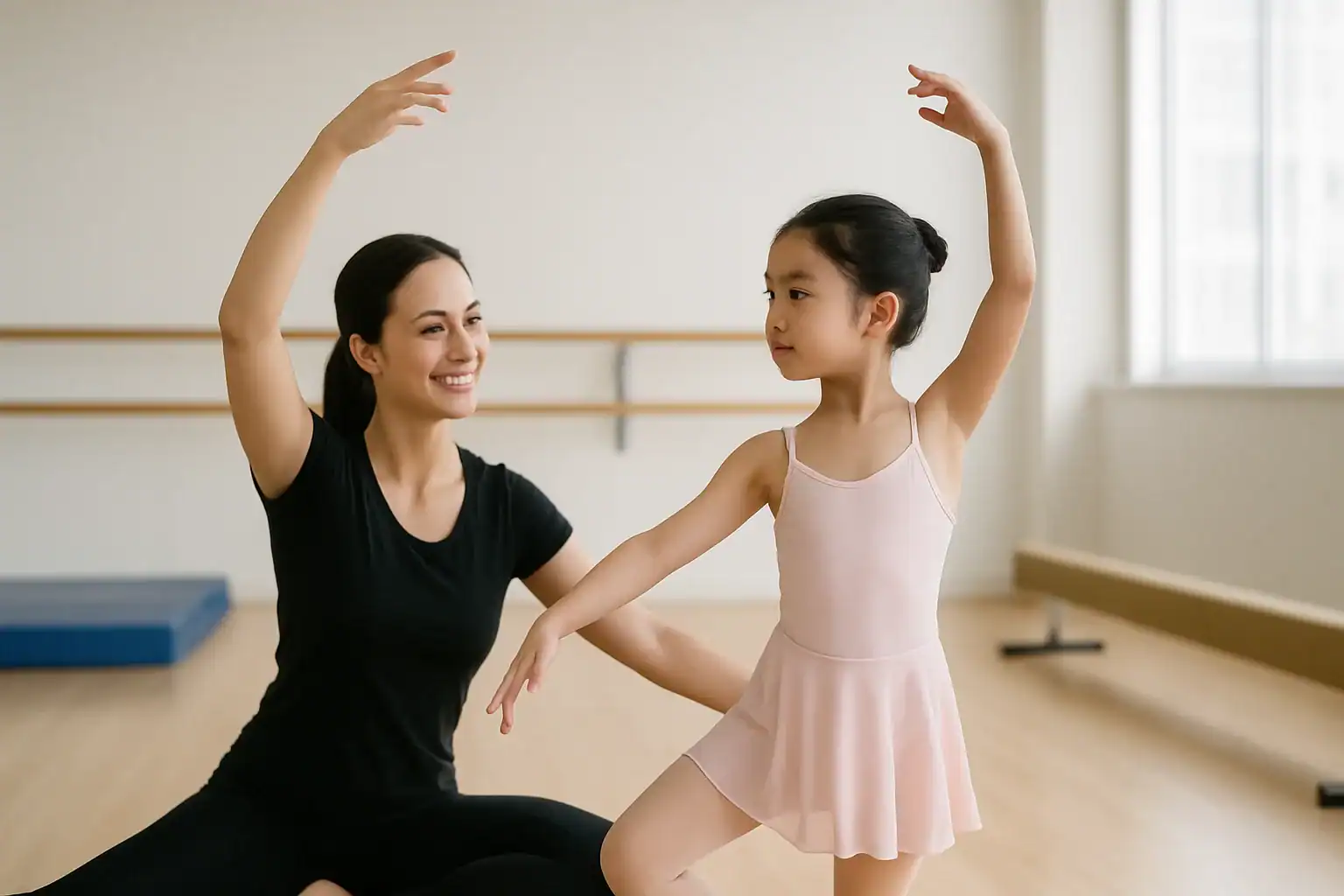
How To Know If Ballet Is Right For Your Child
When considering whether ballet is right for your child, it’s essential to evaluate their interest, physical readiness, and personality traits. Ballet provides not only physical benefits but also builds confidence, discipline, and artistic expression. This article will guide you through the factors to assess when deciding if ballet is the right fit for your child.
Understanding the Benefits of Ballet
Ballet is more than just a dance form; it’s a comprehensive training that fosters physical, mental, and emotional development in children. Here’s what you can expect:
- Physical Strength: Ballet requires core strength, balance, and coordination. These skills are foundational for many sports and physical activities.
- Flexibility and Posture: Regular ballet practice enhances flexibility and promotes better posture, important for growing bodies.
- Discipline and Focus: Learning ballet requires concentration and dedication, instilling a sense of discipline that can benefit children academically and socially.
- Artistic Expression: Ballet encourages children to express themselves creatively, enhancing their emotional intelligence and self-esteem.
Assessing Your Child’s Interest
Before enrolling your child in ballet, gauge their interest. Here are a few things to consider:
- Age Appropriateness: Ballet classes for kids typically start around age three. At this age, children often enjoy movement and music. If your child shows excitement when dancing or mimicking ballet moves, they may be ready for formal lessons.
- Engagement in Dance Activities: If your child enjoys dance parties, musical shows, or even watching ballet performances, this enthusiasm can be a good indicator of their interest.
Consider exploring our kids’ ballet classes in Yishun for more information.
Evaluating Physical Readiness
Ballet requires a certain level of physical readiness. Here are key factors to consider:
- Motor Skills Development: Children should have basic motor skills, such as running, jumping, and balancing. These skills are essential as they form the foundation for more complex ballet movements.
- Attention Span: Ballet classes require focus and discipline. If your child can follow instructions and maintain attention during activities, they may be ready for ballet.
- Physical Health: Consider consulting with a pediatrician if you have concerns about your child’s physical ability to participate in ballet. Ballet is generally safe and beneficial, but it’s always best to ensure your child is healthy and fit for physical activity.
Personality Traits That Suit Ballet
Ballet isn’t just about physical capabilities; personality traits also play a significant role in determining if it’s a good fit for your child. Here are some characteristics to consider:
- Love for Music: Children who enjoy music often thrive in ballet classes, as music plays a vital role in dance.
- Social Skills: If your child enjoys group activities and interacting with peers, they will likely appreciate the camaraderie found in ballet classes.
- Willingness to Learn: A child who is open to trying new things and learning new skills will benefit from the structured environment of a ballet class.
The Commitment Level Required
Ballet can be a time-consuming activity, especially if your child progresses to higher levels. Here’s what you need to know about the commitment:
- Class Frequency: Most beginner ballet classes meet once a week, while more advanced classes can meet multiple times a week. Determine if your family can accommodate this schedule.
- Practice at Home: Encourage your child to practice what they learn in class at home. This can be as simple as stretching or practicing basic positions.
Finding the Right Ballet School
Choosing the right ballet school can greatly influence your child’s experience. Here are some factors to consider:
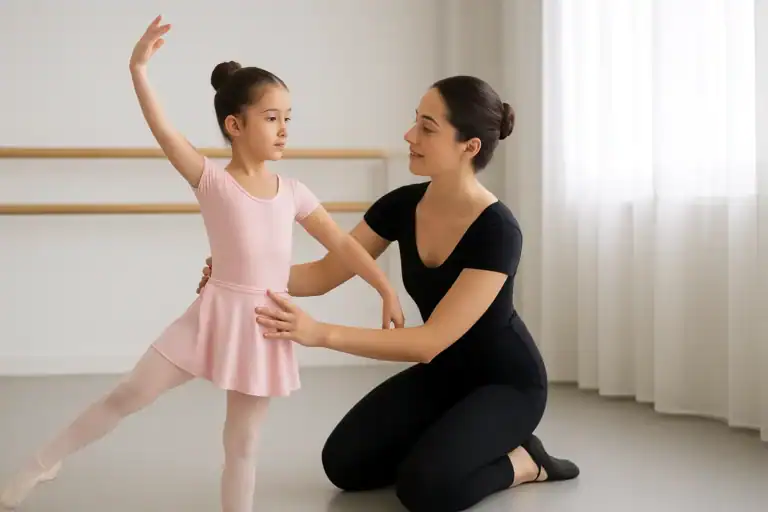
- Quality of Instruction: Look for schools with qualified instructors who have experience teaching children. Check their credentials and teaching philosophy.
- Class Size: Smaller class sizes often mean more personalized attention. This can be particularly beneficial for young learners.
- Facilities and Equipment: Ensure the school has proper facilities—sprung floors, mirrors, and barres are essential for safe ballet training.
The Importance of a Trial Class
Many ballet schools offer trial classes. This is an excellent opportunity for both you and your child to evaluate if the class environment is a good fit. During a trial class:
- Observe how the instructor interacts with the students.
- Note if the class is engaging and keeps the children focused.
- Ask your child how they feel afterward. Their enthusiasm is a good sign.
Cost Considerations for Ballet Classes
Ballet classes can range in price depending on the school and location. In Singapore, expect to pay approximately SGD 100 to SGD 250 per month for children’s ballet classes. Ensure you are aware of any additional costs, such as:
- Costumes for Recitals: Many ballet schools require children to wear specific costumes for performances, which can add to the overall expense.
- Registration Fees: Some schools charge a one-time registration fee upon enrollment.
- Additional Classes: If your child progresses, you might consider private lessons or more advanced classes, which can be more costly.
Conclusion: Is Ballet Right for Your Child?
Deciding if ballet is right for your child involves evaluating their interest, physical readiness, and personality traits while considering the commitment required. Ballet can be a rewarding experience that fosters not only dance skills but also discipline, confidence, and creativity. If your child exhibits a passion for movement and has the support of your family, ballet could be a perfect choice.
Next Steps for Parents
If you think ballet might be right for your child, consider enrolling them in a trial class at Asia Gymnastics & Dance Academy (AGDA). With dedicated instructors and a focus on both gymnastics and ballet, AGDA offers a unique opportunity for your child to explore their interests in a supportive environment.
Key Takeaways
- Assess your child’s interest and readiness for ballet.
- Consider personality traits that align with dance.
- Explore different ballet schools and class offerings.
Frequently Asked Questions
Q: What age should my child start ballet?
How often do ballet classes meet?