Benefits of Ballet for Kids: Enhance Creativity & Growth
Benefits of Ballet for Kids
Ballet is more than just an art form; it’s a pathway for children’s physical and emotional development. In this article, you’ll learn about the myriad of benefits of ballet for kids, including how it enhances creativity, builds strength, and fosters social skills. Understanding these benefits can help parents make informed decisions when considering ballet classes for their children.
Physical Development Through Ballet
One of the most noticeable benefits of ballet for kids is the improvement in their physical abilities. Ballet requires a combination of strength, flexibility, and coordination, which can be advantageous for children in multiple ways.
Strength and Flexibility
Ballet provides an effective full-body workout. According to a study by the University of Brighton, ballet dancers are not only more flexible but also have greater core strength compared to non-dancers. This is crucial for growing children, as it aids in their overall physical development.
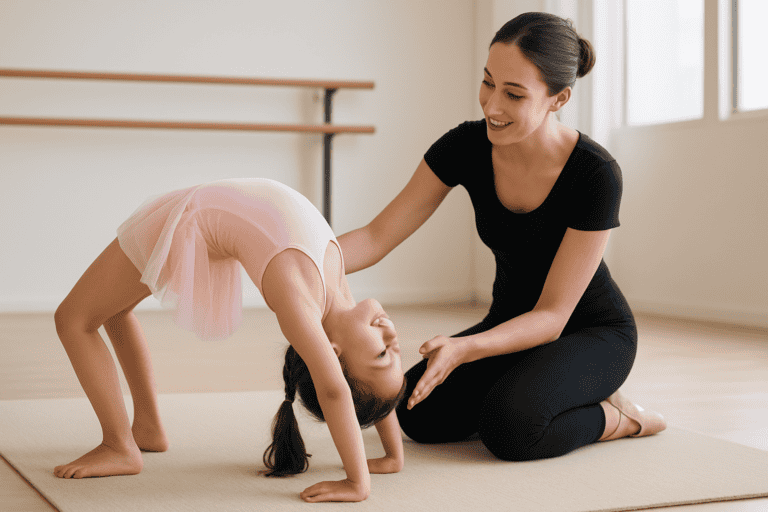
- Core Strength: As children learn ballet, they engage their core muscles, which helps with balance and posture. This foundation can lead to better performance in other sports and physical activities.
- Flexibility: Regular stretching and movement in ballet classes enhance flexibility, which is essential not just for dance, but for overall physical health. Increased flexibility can help reduce the risk of injuries in active children.
Coordination and Balance
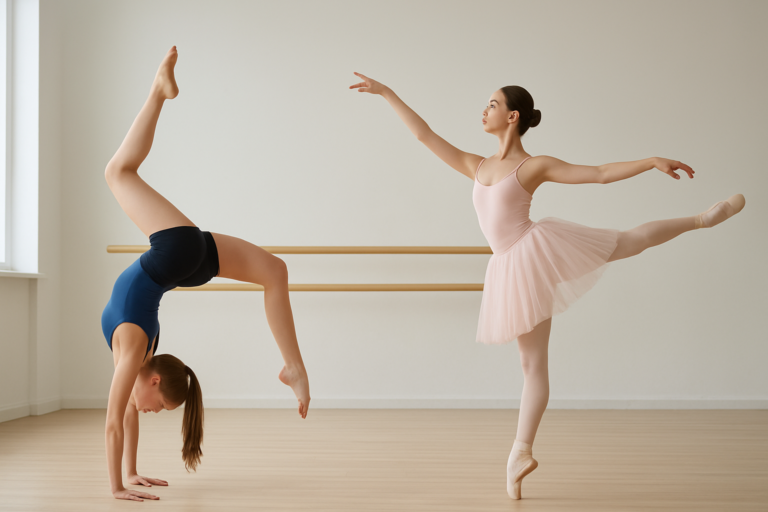
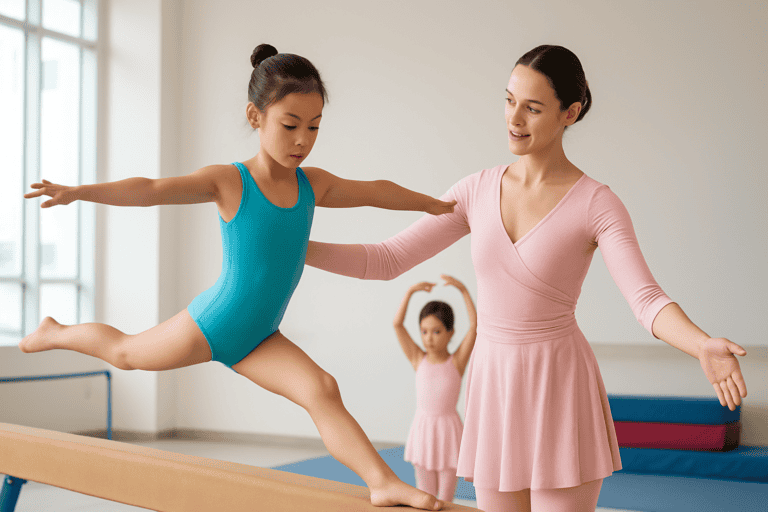
Ballet emphasizes coordination and balance, both of which are vital as children engage in various physical activities. As they learn to execute complex movements, they develop neuro-muscular coordination, which can improve their performance in sports and other physical endeavors. This aspect of ballet is especially beneficial for children involved in gymnastics or team sports, as it translates into better control and agility.
Posture Improvement
Good posture is often overlooked in children, yet it’s crucial for their long-term health. Ballet teaches children how to align their bodies correctly, which can help alleviate common issues like back pain later in life. The emphasis on body alignment and control during ballet classes instills habits that can last a lifetime.
Cognitive Benefits of Ballet
Beyond physical advantages, ballet also plays a significant role in cognitive development. The structured nature of ballet training encourages focus, discipline, and critical thinking.
Enhanced Concentration
Ballet classes require children to pay attention to the teacher’s instructions, follow choreography, and remain present throughout the lesson. This practice helps improve their concentration levels, which can be beneficial in school and other areas of life. Research published in the Journal of Dance Education indicates that participation in dance classes can lead to greater academic success due to the skills learned in dance being transferable to other subjects.
Boosting Creativity
Ballet is an expressive art form that encourages creativity. As children learn to interpret music and express emotions through movement, they cultivate their creative skills. This aspect of ballet fosters a sense of individuality, which is essential for personal development.
- Imagination: Engaging in ballet allows children to explore their imagination, as they often need to embody characters and narratives through their movements.
- Emotional Expression: Ballet provides a safe environment for children to express their feelings, which can help them navigate their emotions more effectively.
Memory Skills
Learning choreography requires memorization, which can enhance children’s memory skills. This skill translates into better academic performance, particularly in subjects that require rote memorization, such as language arts and mathematics.
Social and Emotional Growth
Ballet can be a fantastic way for children to develop social skills and emotional intelligence. Through group classes and performances, children learn the importance of teamwork and cooperation.
Teamwork and Collaboration
Ballet classes often involve group exercises and performances, promoting a sense of teamwork. Children learn to work together towards a common goal, whether it’s perfecting a routine or preparing for a recital. This experience fosters collaboration and teaches them how to communicate effectively with peers.
Building Confidence
As children progress in ballet, they often experience a boost in self-esteem. Mastering new skills and performing in front of an audience can be incredibly empowering. This newfound confidence often spills over into other areas of their lives, helping them tackle challenges with a positive attitude.
Emotional Resilience
Ballet can teach children how to handle both success and failure. The process of rehearsing, performing, and receiving feedback helps them develop emotional resilience. They learn to cope with disappointment when things don’t go as planned, which is an essential life skill.
Cultivating Discipline and Structure
Ballet is known for its structured environment, which can instill a sense of discipline in young dancers.
Time Management
Balancing schoolwork, ballet classes, and family responsibilities requires children to manage their time effectively. This skill is invaluable as they grow older and face more complex responsibilities.
Goal Setting
Ballet training encourages children to set personal goals, whether it’s mastering a specific move or preparing for a performance. Learning to set and achieve goals builds a sense of accomplishment that can motivate them in all aspects of life.
The Unique Offering at AGDA
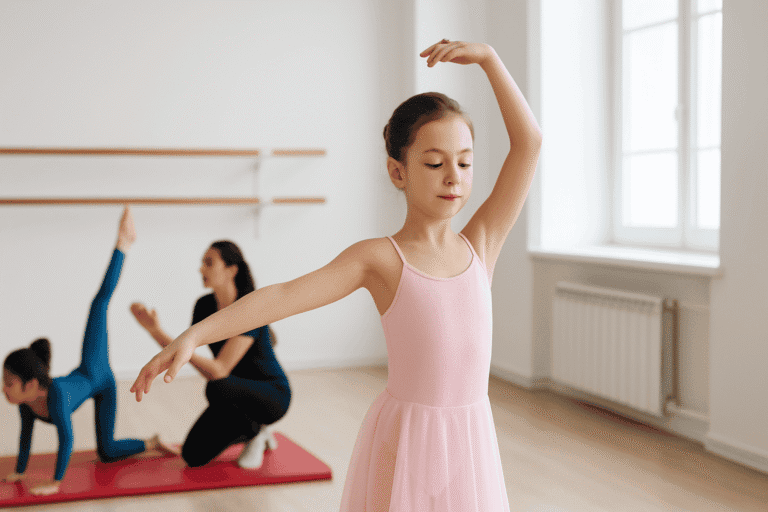
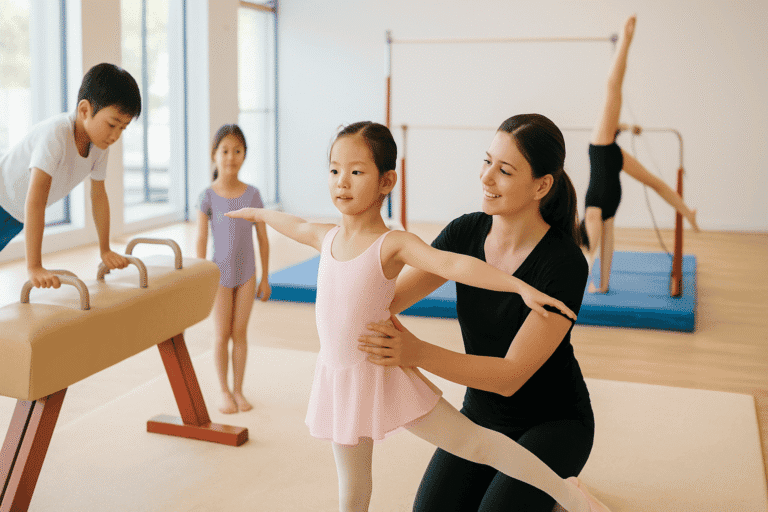
At Asia Gymnastics & Dance Academy (AGDA), we understand the profound benefits of ballet for kids. Our state-of-the-art facilities and expert coaching staff are dedicated to providing quality instruction that emphasizes the importance of both gymnastics and ballet. We combine these disciplines under one roof, giving students the opportunity to explore their creativity while developing physical strength and grace.
Class Offerings
AGDA offers structured ballet classes for various age groups, from toddlers starting at age three to more advanced levels for teens. Our curriculum is designed to cater to all skill levels, ensuring that every child can find a class that suits their needs.
Expert Coaching
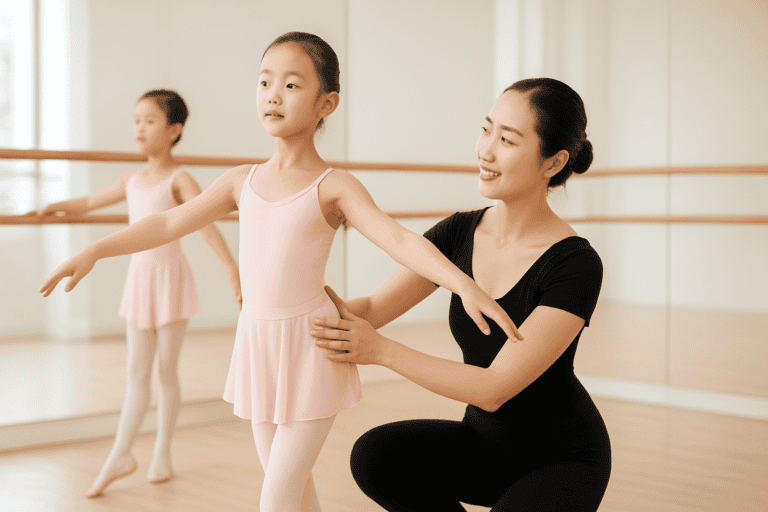
Our experienced instructors are passionate about nurturing each child’s potential. They focus on individual attention and personalized feedback, ensuring every student feels valued and supported.
Trial Classes
If you’re curious about how ballet can benefit your child, we invite you to book a free trial class at AGDA. It’s a great way to experience our welcoming environment and see firsthand the positive impact that ballet can have on your child’s development.
Key Takeaways
- Ballet enhances physical strength and flexibility.
- It fosters creativity and emotional expression in children.
- AGDA offers expert coaching and dual-discipline training.
Frequently Asked Questions
Q: What age can my child start ballet classes?
How does ballet benefit my child's overall development?
Are there performance opportunities for students?
Can ballet help with my child's academic skills?
What should my child wear for ballet classes?
Are there trial classes available?
Ready to see the benefits of ballet for your child? **Enroll in a free trial class at AGDA today!** Witness how our expert coaching and nurturing environment can inspire your child’s love for dance.