How To Know If Ballet Is Right For Your Child
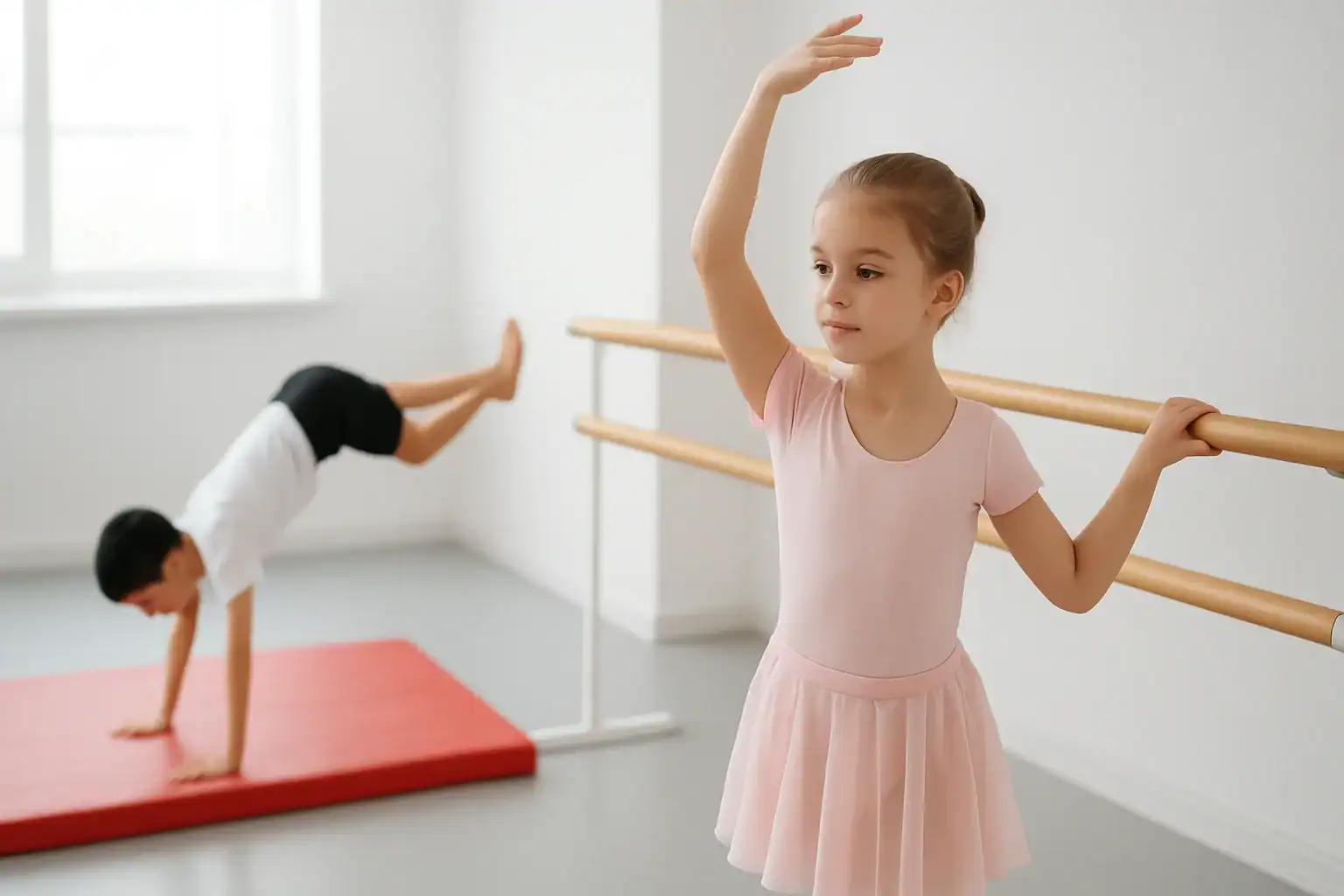
Determining if ballet is right for your child requires understanding their interest, physical readiness, and emotional maturity. Ballet offers numerous benefits, from enhancing physical strength and flexibility to fostering creativity and discipline. This article will provide insights into how to assess your child’s readiness for ballet classes, what to expect, and the unique advantages of enrolling them in a dual-discipline academy like Asia Gymnastics & Dance Academy (AGDA).
Understanding the Benefits of Ballet
Before deciding if ballet is suitable for your child, it’s essential to understand the benefits that this art form offers. Ballet is not just about dancing; it encompasses several key advantages:
- Physical Development: Ballet helps improve strength, flexibility, and balance. Regular practice can enhance muscle tone and posture, which can be beneficial for overall physical health.
- Cognitive Skills: Learning ballet involves memorizing sequences and developing coordination, which can improve cognitive skills such as focus and discipline.
- Emotional Growth: Ballet encourages self-expression and builds confidence. Children learn to set goals, work towards achieving them, and appreciate the art of performance.
- Social Interaction: Ballet classes provide an opportunity for children to interact with peers, fostering friendships and teamwork during group performances.
Signs Your Child Might Be Ready for Ballet
Identifying whether your child is ready for ballet involves observing their interests and capabilities. Here are some signs to look for:
- Interest in Dance: If your child enjoys moving to music or mimicking dance moves, they may have an innate interest in ballet.
- Physical Activity: Children who are naturally active, enjoy running, jumping, or engaging in sports may also thrive in ballet classes.
- Listening Skills: A willingness to listen to instructions and follow direction is essential in ballet. If your child can focus and respond to guidance, they may be ready for structured classes.
- Emotional Readiness: Ballet requires patience and perseverance. If your child can handle challenges and setbacks gracefully, they may be better suited for this discipline.
Age Considerations for Ballet Classes
While children can start ballet as young as three, age isn’t the only factor. Here’s a breakdown of age appropriateness:
- Ages 3-5: At this stage, classes focus on basic movements and coordination through playful activities. This age group benefits from creative movement rather than strict technique.
- Ages 6-8: Children can start learning ballet fundamentals and terminology. Classes become more structured, and kids can explore rhythm and coordination.
- Ages 9 and Up: As children mature, they can begin more serious training, focusing on technique, strength, and artistic expression. This is also when they might start preparing for performances or competitions.
At AGDA, we offer classes tailored to various age groups and skill levels, ensuring that every child receives personalized attention in their ballet journey.
What to Expect in a Ballet Class
Understanding what a typical ballet class entails can help you determine if it’s the right fit for your child. Here are common components of a ballet class:
- Warm-Up: Classes often start with a warm-up to prepare the body for movement. This includes stretching and simple exercises to increase flexibility.
- Technique Practice: Students learn fundamental positions and movements, focusing on body alignment and posture.
- Choreography: As students progress, they will learn short dances or combinations that help them apply what they’ve learned.
- Cool Down: Classes typically end with a cool-down, incorporating stretching and relaxation techniques to prevent injury.
Choosing the Right Academy
Selecting a ballet school is crucial in your child’s development. Look for an academy that offers:
- Expert Instruction: Quality instructors who have experience in ballet education can make a significant difference in your child’s learning experience. AGDA prides itself on its expert coaching staff, ensuring students receive the best training.
- State-of-the-Art Facilities: A well-equipped studio with proper flooring and space will enhance the learning experience and minimize the risk of injury.
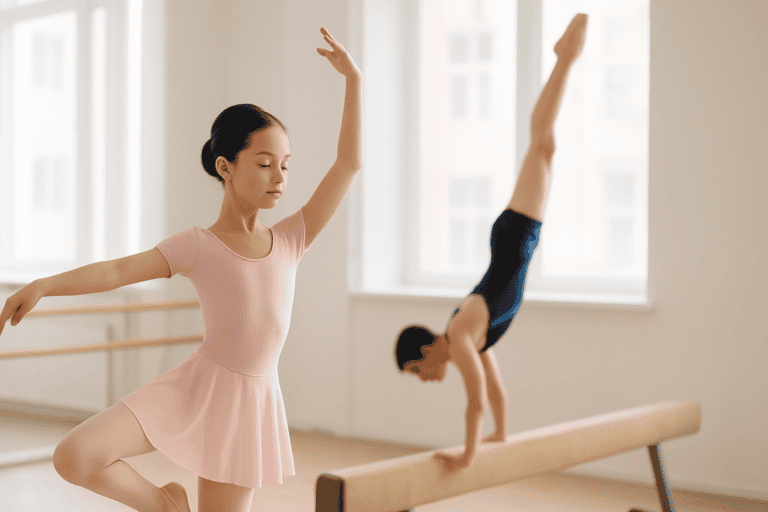
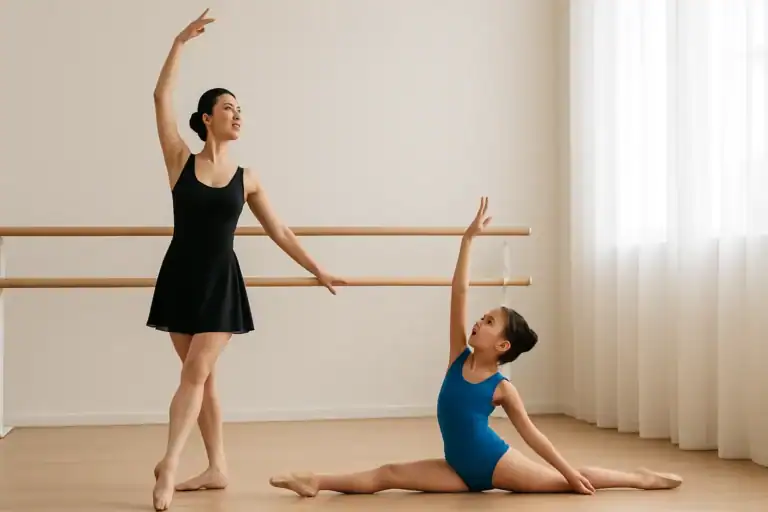
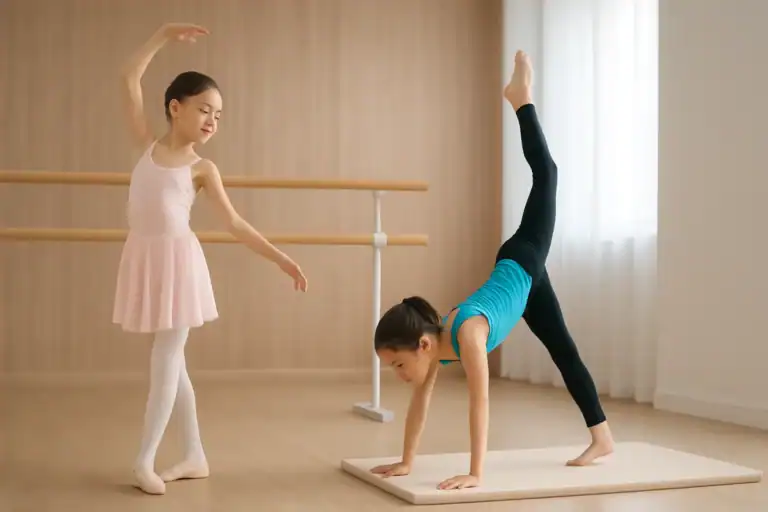
- Dual Discipline Training: AGDA is unique in offering both gymnastics and ballet under one roof. This combination allows students to benefit from cross-training, enhancing their strength and flexibility.
Assessing Your Child’s Readiness for Classes
To fully evaluate if ballet is suitable for your child, consider conducting a self-assessment based on specific criteria:
- Interest Level: Engage your child in discussions about ballet and observe their enthusiasm. You might also consider introducing them to ballet performances or videos.
- Physical Assessment: Take note of their physical abilities. Can they balance on one foot? Do they enjoy stretching? These skills are foundational in ballet.
- Trial Classes: Many academies, including AGDA, offer trial classes. This can provide a firsthand experience of what ballet entails and allow your child to see if they enjoy it.
Incorporating Ballet into Your Child’s Routine
Once you decide that ballet is right for your child, it’s essential to incorporate it into their daily routine effectively:
- Set Realistic Expectations: Understand that mastery takes time. Encourage your child to practice regularly without overwhelming them.
- Balance with Other Activities: If your child is participating in other sports or activities, ensure that their schedule allows for adequate rest and recovery.
- Encourage Participation: Support your child in joining recitals or performances, as these experiences can build confidence and camaraderie with peers.
The Importance of Communication
Maintaining an open line of communication with your child and their instructor is vital. Regularly check in with your child about their experiences in class and how they feel about their progress. This dialogue can help you identify any challenges they may be facing and address them promptly.
Student Spotlights at AGDA
At AGDA, we celebrate the achievements of our students regularly. For instance, Emily, a 10-year-old ballet enthusiast, recently performed in a local recital and received praise for her grace and poise. Her journey began when she attended a trial class, and her passion quickly flourished. Stories like this highlight the positive impact of ballet training on children’s growth and self-esteem.
Conclusion: Making the Right Choice
Ultimately, deciding if ballet is right for your child involves a blend of assessing their interests, physical readiness, and emotional maturity. With the right environment, such as AGDA, students can thrive in ballet while also enjoying the benefits of gymnastics training.
If you believe your child is ready to explore ballet, consider enrolling them in a trial class at AGDA. This opportunity will allow them to experience the joy of dance while receiving expert guidance in a nurturing environment.
Key Takeaways
- Ballet enhances physical and emotional development.
- Look for signs of interest and readiness in your child.
- Choosing the right academy is crucial for success.
Frequently Asked Questions
Q: What age can my child start ballet classes?
How often should my child attend ballet classes?
What should my child wear to ballet class?
How can ballet benefit my child's overall health?
Are there performance opportunities for young ballet students?
Can my child do both ballet and gymnastics?
Ready to see if ballet is right for your child? Sign up for a free trial class at Asia Gymnastics & Dance Academy today and let them explore the world of dance!