FAQs on Rhythmic Gymnastics for Kids & Ballet Training
FAQs
Rhythmic gymnastics offers numerous benefits for kids, especially when combined with ballet training. This article will answer frequently asked questions about how rhythmic gymnastics complements ballet and enhances a child’s development, strength, flexibility, and artistic expression.
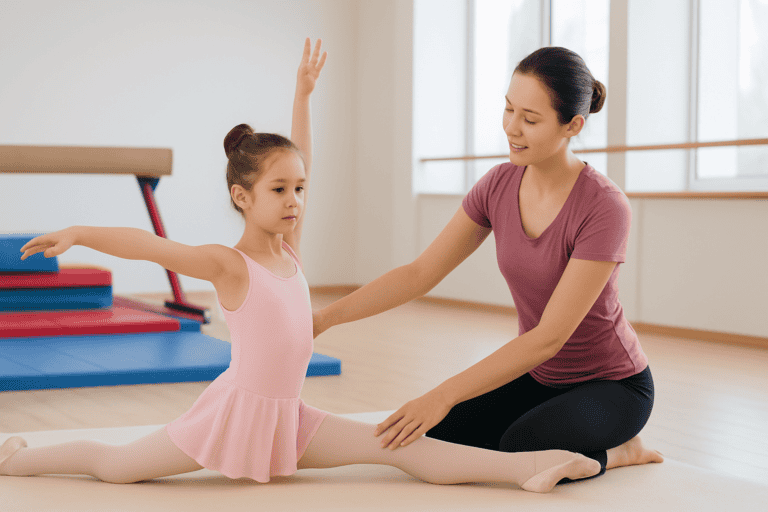
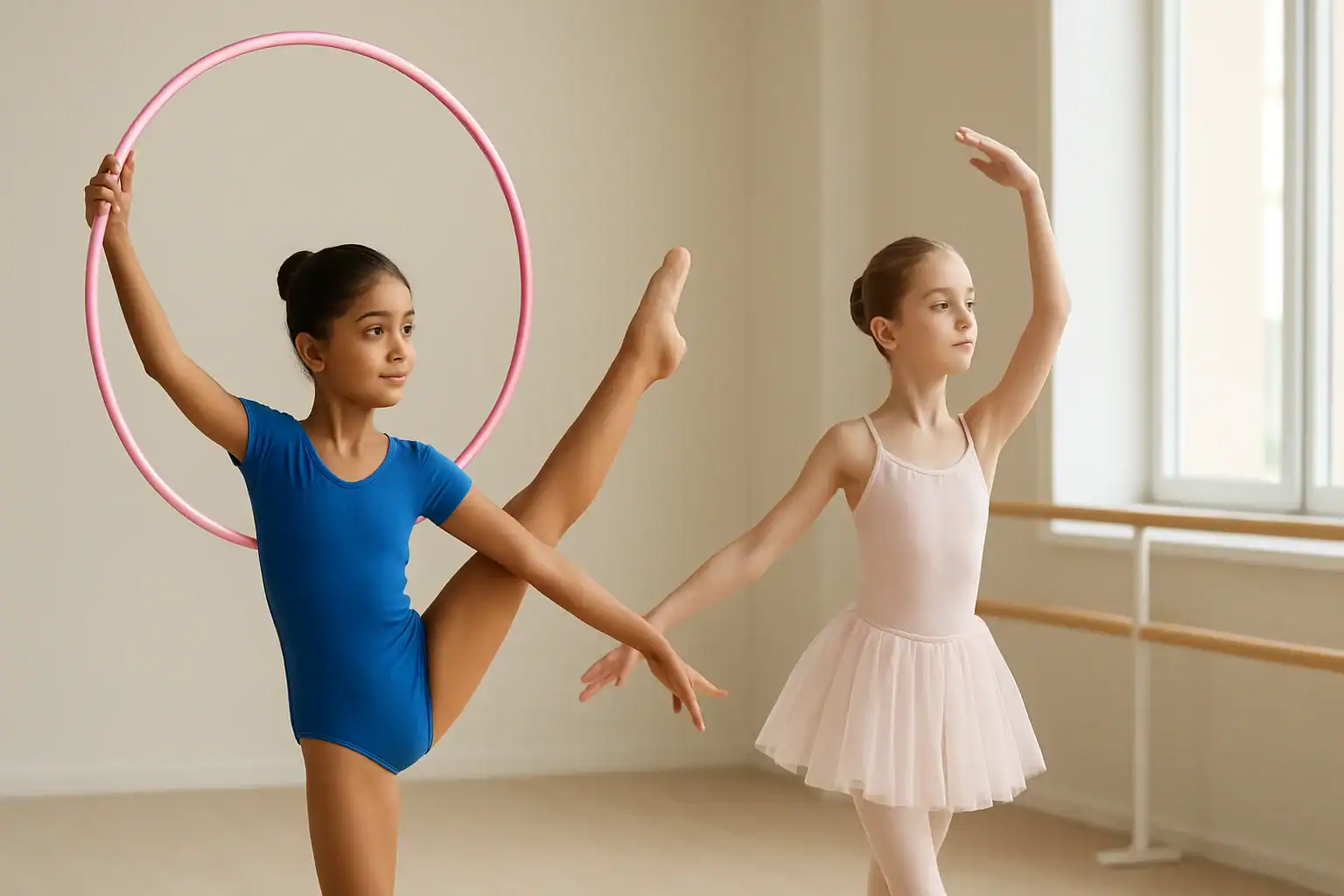
Rhythmic gymnastics is a dynamic sport that combines elements of ballet, dance, and gymnastics with the use of various apparatus such as ribbons, hoops, and balls. It emphasizes grace, coordination, and flexibility. When integrated with ballet, children can experience a holistic physical and artistic development that sets them apart in both disciplines.
What Are the Benefits of Rhythmic Gymnastics for Kids?
Rhythmic gymnastics provides a wide range of benefits for children, from improved physical fitness to enhanced cognitive skills. Here are some of the primary advantages:
- Strength and Flexibility: The routines require significant strength and flexibility, which are essential components in ballet. Children develop core strength, balance, and body awareness.
- Artistic Expression: Rhythmic gymnastics incorporates dance movements, allowing children to express themselves artistically. This creative outlet can boost confidence and self-esteem.
- Coordination: The use of apparatus in rhythmic gymnastics helps improve hand-eye coordination and overall agility, skills that are beneficial in ballet.
- Discipline and Focus: Both rhythmic gymnastics and ballet require intense concentration and discipline, instilling a strong work ethic in young athletes.
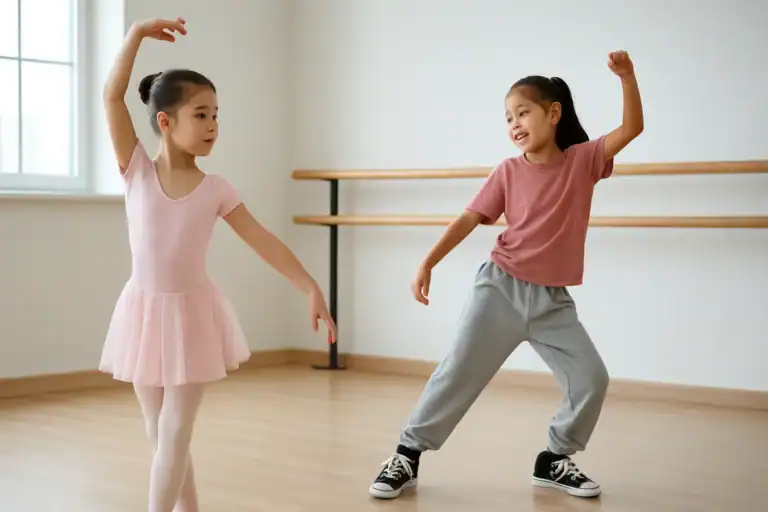
- Social Skills: Participating in group classes fosters friendships and teamwork, creating a sense of community among peers.
These benefits collectively contribute to a well-rounded development that makes children more adept in both rhythmic gymnastics and ballet.
How Does Rhythmic Gymnastics Complement Ballet Training?
Integrating rhythmic gymnastics into ballet training enhances a child’s overall performance. Here’s how the two disciplines synergize:
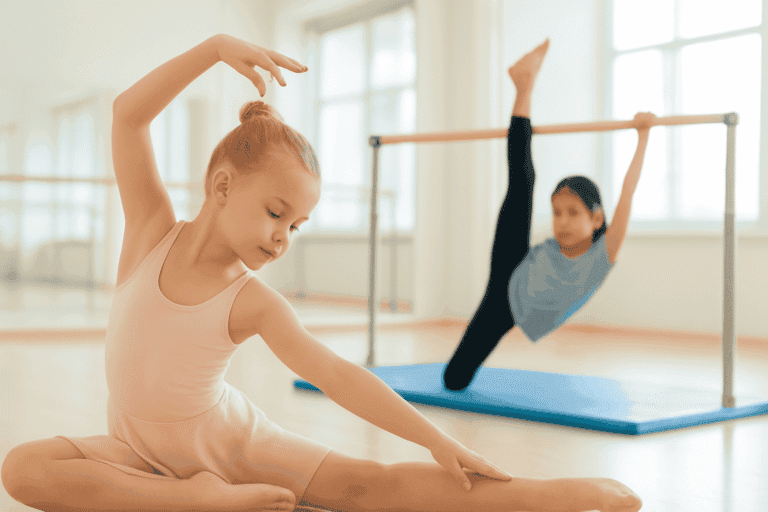
- Improved Flexibility: Many ballet movements require a high degree of flexibility. Rhythmic gymnastics routines often include stretches and movements that promote flexibility in the hips, shoulders, and back.
- Enhanced Musicality: Both disciplines emphasize rhythm and timing. Rhythmic gymnastics routines are typically performed to music, which can help ballet dancers develop a better sense of musicality.
- Strengthening Techniques: The strength gained from rhythmic gymnastics training translates directly into more powerful and stable ballet performances. For instance, the core strength developed in rhythmic routines can enhance a dancer’s ability to perform lifts and turns.
- Varied Movement Vocabulary: Rhythmic gymnastics widens the range of movements a child can perform. This variety can make ballet routines more dynamic and engaging.
- Confidence Building: Performing with apparatus in rhythmic gymnastics can help children gain confidence in their movement abilities, which positively impacts their ballet performances.
By adopting a dual-discipline approach, children can benefit from a well-rounded experience that enhances their capabilities in both areas.
What Ages Are Best for Starting Rhythmic Gymnastics?
Generally, children can start rhythmic gymnastics as early as 3 years old. This early introduction helps develop foundational skills. However, the optimal age often varies based on individual readiness and interest. Here’s a breakdown:
- Ages 3-5: Focus on basic movements, coordination, and having fun. Classes are typically structured to promote free play while introducing rhythmic elements.
- Ages 6-9: Children can begin to learn routines and use apparatus. This age group often enjoys the challenge of learning new skills and performing.
- Ages 10 and up: More serious training begins. Kids can participate in competitions and work on advanced skills. This is also when many dancers start to merge rhythmic gymnastics with ballet.
At Asia Gymnastics & Dance Academy (AGDA), we offer specialised programmes for all age groups to ensure every child receives the right level of instruction and challenge.
What Equipment Is Used in Rhythmic Gymnastics?
Rhythmic gymnastics incorporates several types of equipment. Each piece serves a unique purpose and helps develop specific skills. The primary apparatus include:
- Ribbons: Used to create flowing movements and patterns. They enhance coordination and help develop the dancer’s sense of rhythm.
- Hoops: Encourage both balance and creative movement. Hoops can be rolled, tossed, and manipulated in various ways.
- Balls: Enhance hand-eye coordination and flexibility. Ball routines often involve rolling and bouncing, adding complexity to movements.
- Clubs: Used in pairs, clubs help develop coordination and strength. They require precise timing and control, which are beneficial for ballet training.
- Rope: Although less common, ropes can be used for jumping and other dynamic movements.
At AGDA, we provide all necessary equipment for our students, ensuring they have access to quality tools for their training.
How Can Parents Support Their Child’s Rhythmic Gymnastics and Ballet Training?
Parents play a crucial role in supporting their child’s journey in rhythmic gymnastics and ballet. Here are some ways to be involved:
- Encouragement: Attend classes and competitions to cheer them on. Positive reinforcement can boost your child’s confidence.
- Practice: Encourage regular practice at home. Simple stretches or routines can help reinforce skills learned in class.
- Nutrition: A balanced diet is essential for active children. Ensure your child is eating healthy foods that fuel their training.
- Rest: Adequate rest is vital. Listen to your child’s needs and ensure they are getting enough sleep, especially before competitions.
- Communication: Keep an open line of communication with instructors. Understanding your child’s progress and challenges allows you to provide better support.
At AGDA, we believe that a supportive environment at home complements the training received in class.
What Should Parents Expect in Terms of Class Structure and Progression?
At AGDA, our classes are structured to cater to various skill levels and ages, ensuring that every child receives appropriate training. Here’s what parents can expect:
- Class Size: We maintain small class sizes to provide personalised attention. This allows instructors to give feedback tailored to each student’s needs.
- Progressive Levels: Students advance through levels based on their skills and mastery of techniques. This structured approach helps maintain motivation and engagement.
- Competitions: For those interested, we offer opportunities to participate in local and regional competitions. These events foster a sense of achievement and encourage personal growth.
- Cross-Training Opportunities: We encourage students to attend both rhythmic gymnastics and ballet classes, allowing them to reap the benefits of cross-training.
Parents can rest assured that their child is receiving top-notch instruction in a supportive and nurturing environment.
What Are Common Misconceptions About Rhythmic Gymnastics?
Many misconceptions surround rhythmic gymnastics, particularly when compared to other sports or dance forms. Here are a few to clarify:
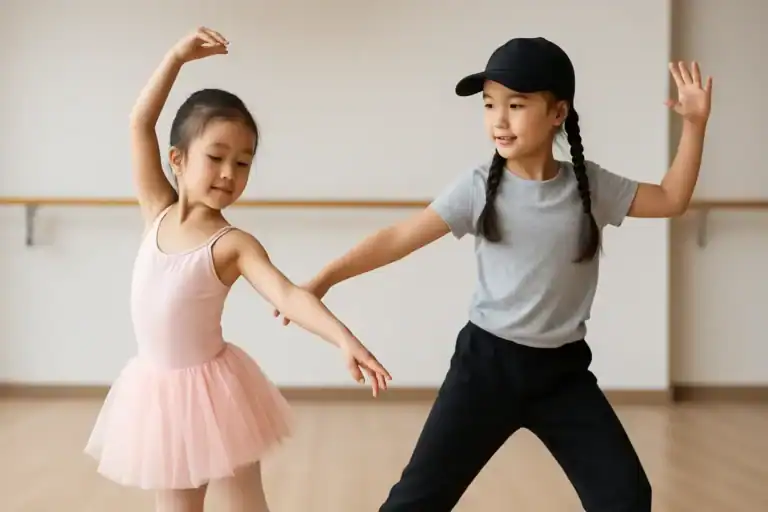
- It’s Just for Girls: While rhythmic gymnastics has been historically associated with girls, many boys are now participating and excelling in the sport.
- It’s Easy: Rhythmic gymnastics requires intense training and dedication. The skills involved can be quite challenging and demand a high level of physical fitness.
- It’s Only About Dance: While dance is a significant component, the sport also focuses on strength, flexibility, and coordination.
- You Can’t Combine It With Other Sports: Many athletes successfully train in multiple disciplines, finding that rhythmic gymnastics complements other sports, including ballet.
By dispelling these myths, we can encourage more children to explore rhythmic gymnastics as a viable and exciting option.
How to Choose the Right Academy for Rhythmic Gymnastics and Ballet?
Selecting the right academy is crucial for your child’s development. Here are some factors to consider:
- Qualified Instructors: Look for academies with experienced coaches who have a background in both rhythmic gymnastics and ballet.
- Facilities: Ensure the academy has state-of-the-art facilities and equipment.
- Curriculum: Check if the curriculum includes both rhythmic gymnastics and ballet, allowing for a comprehensive training experience.
- Reputation: Research reviews and testimonials from current and former students. A positive reputation often reflects quality instruction.
- Community: Consider whether the academy promotes a supportive and inclusive environment for students and families.
At AGDA, we pride ourselves on our expert coaching staff and comprehensive programmes designed to help students thrive.
What Should Parents Know Before Enrolling?
Every family’s needs are a little different, so rather than list generic figures here, we’d rather walk you through the specifics directly. Here’s what’s worth asking about:
- Monthly Tuition: Varies by class frequency and level — WhatsApp us for current rates.
- Registration: A one-time registration applies — ask us for the details.
- Equipment: Some apparatus may be needed depending on the discipline — we can advise on what’s required.
- Uniforms: Specific attire may be required — our team can point you to the right options.
WhatsApp us and we’ll walk you through everything so you can plan ahead with confidence. Overall, investing in rhythmic gymnastics and ballet can be a rewarding experience that pays off in your child’s physical and artistic development.
Key Takeaways
- Rhythmic gymnastics boosts strength and flexibility.
- It enhances artistic expression and coordination.
- Combining rhythmic gymnastics and ballet offers unique benefits.
Frequently Asked Questions
Q: What is rhythmic gymnastics?
How does rhythmic gymnastics benefit children?
At what age can children start rhythmic gymnastics?
What equipment is used in rhythmic gymnastics?
How can parents support their child’s training?
What should I look for in a gymnastics academy?
Ready to see how rhythmic gymnastics can enhance your child’s ballet training? WhatsApp us to sign up for a trial class at Asia Gymnastics & Dance Academy today and watch them flourish in both disciplines!