Does Ballet Improve Posture And Confidence In Kids?
Does Ballet Improve Posture And Confidence In Kids?
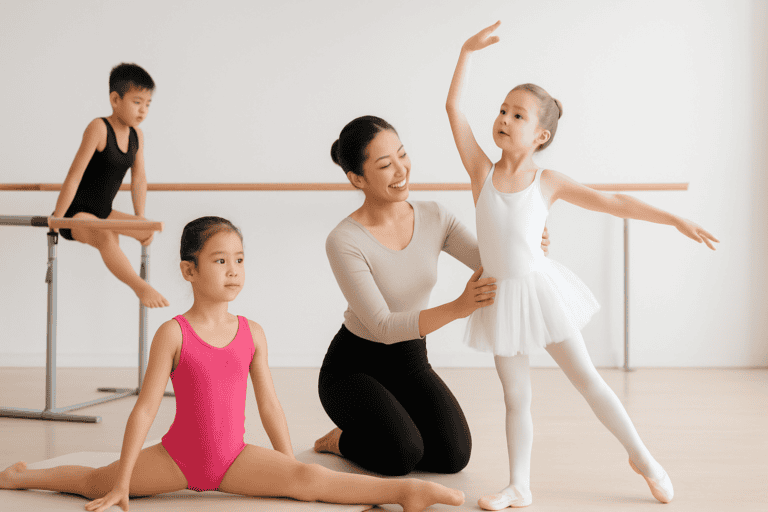
Ballet significantly improves posture and confidence in kids. Through structured movements and disciplined practice, children learn to align their bodies correctly and carry themselves with grace, which not only enhances their physical presence but also boosts their self-esteem. This article will explore the ways ballet contributes to better posture and greater confidence in children, providing insights for parents considering ballet classes for their kids.
Ballet is often viewed as a beautiful art form, yet its benefits extend far beyond aesthetics. Children who practice ballet engage in a regimen that emphasizes body awareness and control. As they learn various positions and techniques, they develop a strong foundation that translates into improved posture. Furthermore, the confidence gained from mastering ballet skills can have lasting effects on a child’s self-image and how they navigate social situations.
How Ballet Enhances Posture
Alignment and Body Awareness
One of the core principles of ballet is the importance of alignment. Ballet training requires students to maintain a straight spine, engage their core, and distribute their weight evenly, which fosters awareness of body mechanics. This focus on alignment helps correct poor posture habits that many children develop, especially with the rise of screen time.
Children learn to stand tall, with shoulders back and down, which naturally prevents slouching. According to a study published in the Journal of Physical Therapy Science, children who participate in dance classes, including ballet, show significant improvements in posture compared to their peers who do not engage in such activities.
Strengthening Core Muscles
Ballet exercises target the core muscles, which play a vital role in maintaining proper posture. Moves like pliés, tendus, and relevés require core engagement, thereby strengthening the abdominal and lower back muscles. As these muscles become stronger, children find it easier to hold themselves upright and maintain balance.
Incorporating ballet into a child’s routine can help alleviate back pain caused by weak muscles, as well. According to the American Academy of Pediatrics, early intervention through activities like ballet can prevent future musculoskeletal problems.
Flexibility and Range of Motion
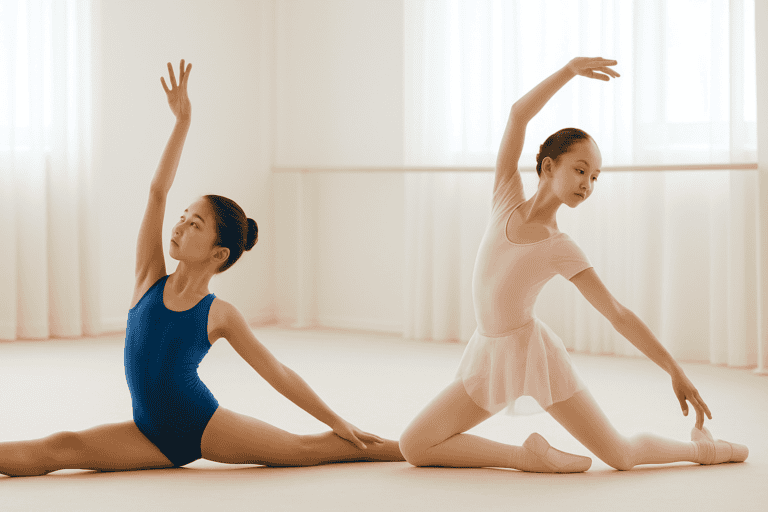
Ballet also promotes flexibility, which is essential for good posture. As children practice various stretches and movements, they increase their range of motion. This flexibility allows for better movement patterns, reducing the risk of injury and promoting a more upright and relaxed posture.
Building Confidence through Ballet
Mastery and Self-Esteem
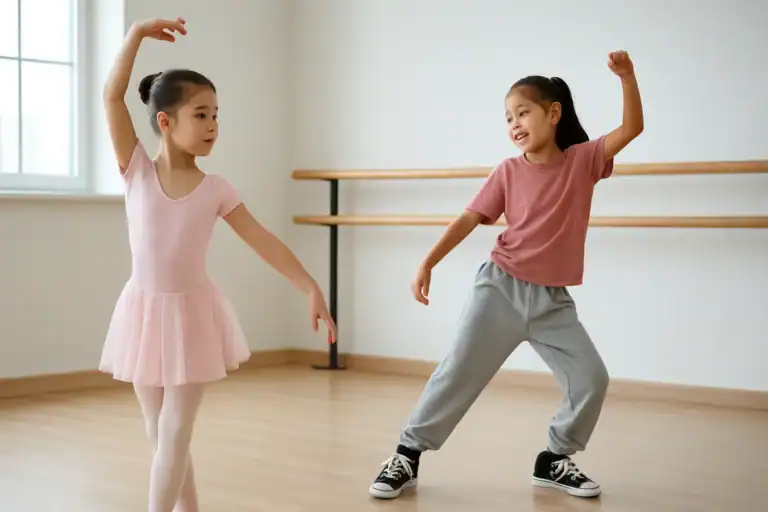
As children progress in ballet, they experience a sense of accomplishment when mastering new skills. This mastery fosters confidence; they learn to set and achieve goals, which can be empowering. The structured nature of ballet training means that students often perform before peers and instructors, providing opportunities to build confidence in public settings.
Ballet also encourages resilience. Students learn that failure is part of the learning process, which helps them develop a growth mindset. They understand that consistent practice leads to improvement, cultivating perseverance that extends beyond the dance studio.
Social Skills and Teamwork
Ballet classes often involve group work and performances, which enhance social skills. As children collaborate with their peers, they learn the importance of communication and teamwork. These experiences help them feel more comfortable in social settings, further boosting their confidence.
The supportive environment of a ballet class can also help children form friendships, leading to a sense of belonging. This social aspect is crucial for developing self-esteem, as children learn to value themselves in relation to others.
Cross-Training Benefits: Combining Ballet and Gymnastics
At Asia Gymnastics & Dance Academy (AGDA), we emphasize the benefits of cross-training in both gymnastics and ballet. While ballet improves posture and confidence, gymnastics enhances strength and flexibility, creating a well-rounded athlete.
Comprehensive Development
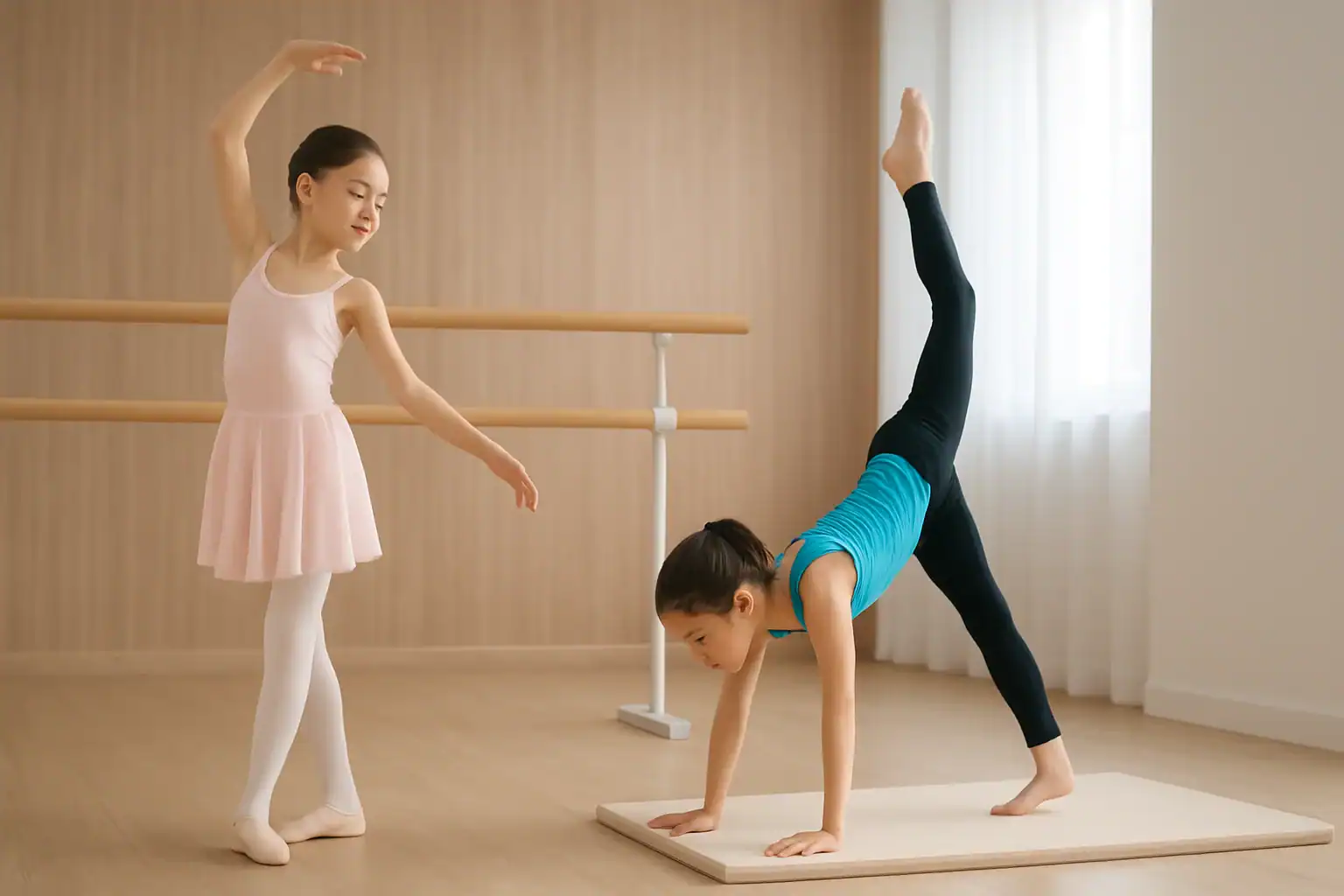
By integrating ballet and gymnastics, children develop a comprehensive skill set. Gymnastics focuses on strength, agility, and coordination, while ballet emphasizes grace, posture, and artistic expression. Together, these disciplines provide a unique training experience that instills confidence and physical capability.
Expert Coaching
AGDA’s state-of-the-art facilities and expert coaching staff ensure that children receive high-quality instruction. Established in 2009, AGDA is one of the few academies in Singapore offering both gymnastics and ballet under one roof. This dual-discipline approach allows students to benefit from personalized attention and tailored programs to meet their individual needs.
Training Tips for Parents
Encourage Regular Practice
Consistency is key in both ballet and gymnastics. Encourage your child to practice regularly at home, even if it’s just simple movements or stretches. This reinforces what they learn in class and helps them build confidence in their abilities.
Create a Positive Environment
Celebrate your child’s achievements, no matter how small. Positive reinforcement boosts self-esteem and motivates them to continue pursuing their interests in ballet and gymnastics.
Promote Body Awareness
Help your child develop body awareness by engaging in activities that encourage movement and exercise. Simple activities like yoga, swimming, or even family dance sessions can enhance flexibility and strength, contributing to better posture.
Real-World Examples
Numerous success stories demonstrate the transformative power of ballet. For instance, one AGDA student, Maya, struggled with confidence and poor posture. After enrolling in ballet classes, she not only improved her posture but also gained the confidence to perform in front of an audience. Her progress inspired her peers, showcasing how ballet can change lives.
Competitive Edge
In today’s competitive environment, children benefit from skills learned in ballet and gymnastics. These disciplines teach discipline, dedication, and the ability to face challenges head-on. Parents often find that their children develop not only physically but also emotionally, preparing them for future endeavors, be it in sports, academics, or personal relationships.
Conclusion
Ballet offers significant benefits for children, particularly in improving posture and building confidence. Through disciplined practice, children learn valuable skills that enhance their physical presence and emotional resilience. By cross-training in gymnastics and ballet at AGDA, students receive a holistic education that prepares them for a bright future.
If you’re considering ballet classes for your child or want to explore our gymnastics programs, visit AGDA to learn more about our offerings. Together, we can help your child flourish in a supportive and enriching environment.
Key Takeaways
- Ballet improves posture through alignment and core strength.
- Confidence grows with mastery and social interactions.
- Cross-training in gymnastics enhances overall physical development.
Frequently Asked Questions
Q: How does ballet improve children's posture?
Can ballet boost a child's confidence?
How often should kids practice ballet?
What age is best for kids to start ballet?
How does cross-training in gymnastics benefit ballet students?
Ready to help your child improve their posture and confidence through ballet? Enroll in our classes at Asia Gymnastics & Dance Academy today! Let us guide their journey to becoming a graceful and confident performer.