
The Importance of Cross-Training: How Gymnastics and Ballet Enhance Each Other
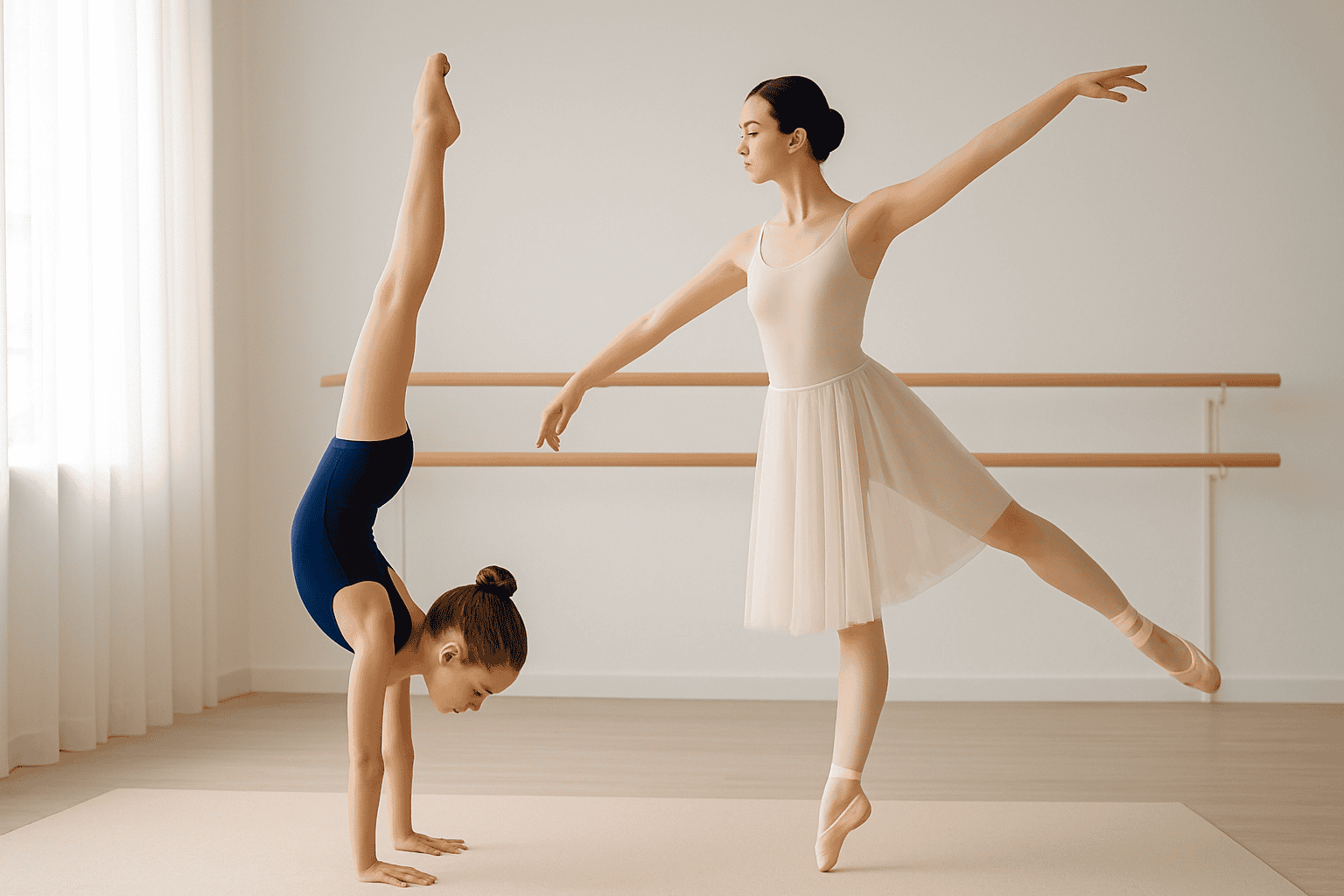
Table of Contents
- Introduction
- Benefits of Cross-Training
- Enhanced Performance in Both Disciplines
- Flexibility and Strength Development
- Improved Coordination and Balance
- Mental Benefits of Cross-Training
- Top Tips for Effective Cross-Training
- Conclusion
Introduction
Cross-training gymnastics ballet is an approach that not only enhances physical abilities but also enriches the overall training experience. At Asia Gymnastics & Dance Academy (AGDA), we understand the unique advantages of combining these two disciplines. Our comprehensive programs cater to children and adults alike, providing a nurturing environment for skill development in both gymnastics and ballet. This article explores the significance of cross-training and how it benefits aspiring athletes and dancers.
Benefits of Cross-Training
Cross-training offers numerous benefits that can significantly elevate a student’s performance in gymnastics and ballet. Here are a few key advantages:
- Improved Overall Fitness: Engaging in both gymnastics and ballet helps in developing a well-rounded fitness regime, promoting strength, flexibility, and endurance.
- Enhanced Skill Acquisition: Students can transfer skills learned in one discipline to the other, accelerating their learning curve.
- Reduced Risk of Injury: Cross-training helps balance muscle development, reducing the likelihood of injury caused by overuse.
Enhanced Performance in Both Disciplines
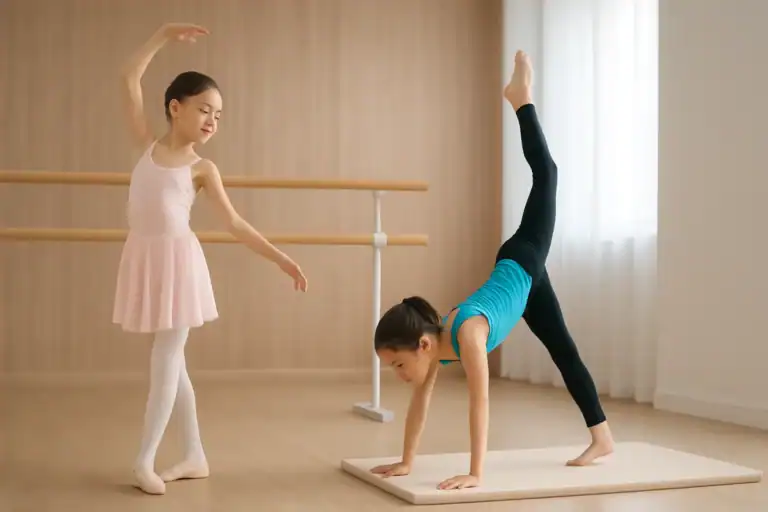
One of the most significant benefits of cross-training gymnastics ballet is the enhanced performance in both areas. Gymnastics focuses on strength, agility, and coordination, while ballet emphasizes grace, poise, and flexibility. When students engage in both, they can experience:
- Increased Body Awareness: Practicing ballet can help gymnasts develop a better sense of body control and movement quality.
- Fluidity in Movement: Ballet’s emphasis on smooth transitions can enhance gymnastic routines, making them more aesthetically pleasing.
Flexibility and Strength Development
Flexibility is paramount in both gymnastics and ballet. Cross-training allows students to develop flexibility through different techniques, which can lead to:
- Greater Range of Motion: Enhanced flexibility can improve performance in both disciplines, allowing for more complex movements and routines.
- Strengthening of Supporting Muscles: The strength required in gymnastics complements the flexibility-focused training in ballet, leading to a well-balanced physique.
Improved Coordination and Balance
Both gymnastics and ballet require a high level of coordination and balance. Cross-training can lead to:
- Better Motor Skills: The intricate movements in ballet can improve a gymnast’s motor skills, while gymnastics can aid a ballet dancer’s balance and agility.
- Increased Confidence: Mastering skills in both disciplines can significantly boost a student’s confidence in their abilities.
Mental Benefits of Cross-Training
Cross-training gymnastics ballet offers mental benefits that are often overlooked. These include:
- Enhanced Focus: The discipline required in both sports can improve concentration and mental resilience.
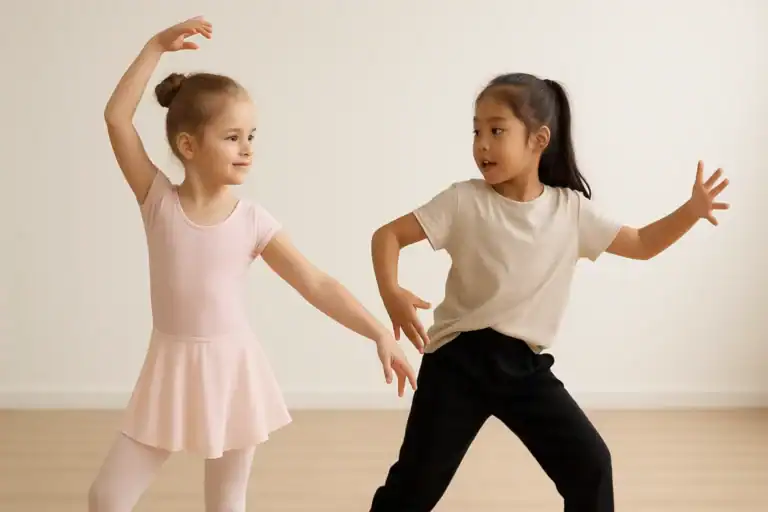
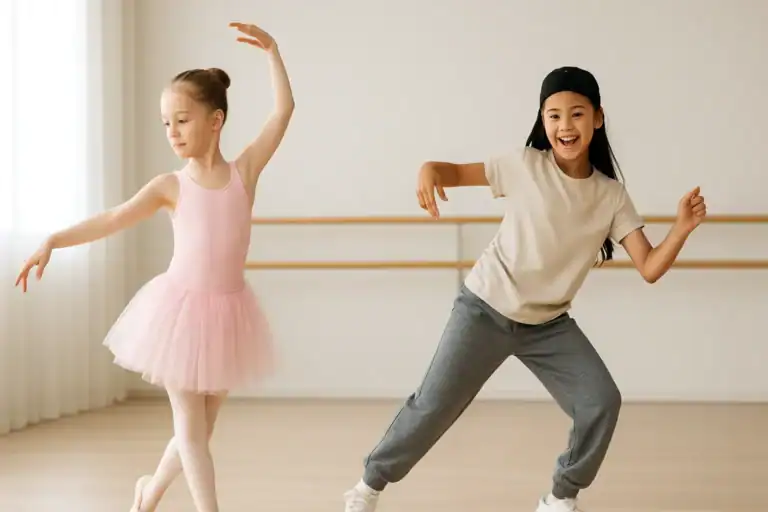
- Creative Expression: Ballet allows for artistic expression, while gymnastics focuses on athleticism; combining both can foster creativity.
Top Tips for Effective Cross-Training
To maximize the benefits of cross-training, consider the following tips:
- Schedule Balanced Training: Ensure that you allocate time for both gymnastics and ballet in your training schedule.
- Listen to Your Body: Pay attention to how your body feels during training to prevent overexertion.
- Set Clear Goals: Define what you want to achieve in both disciplines to stay motivated and focused.
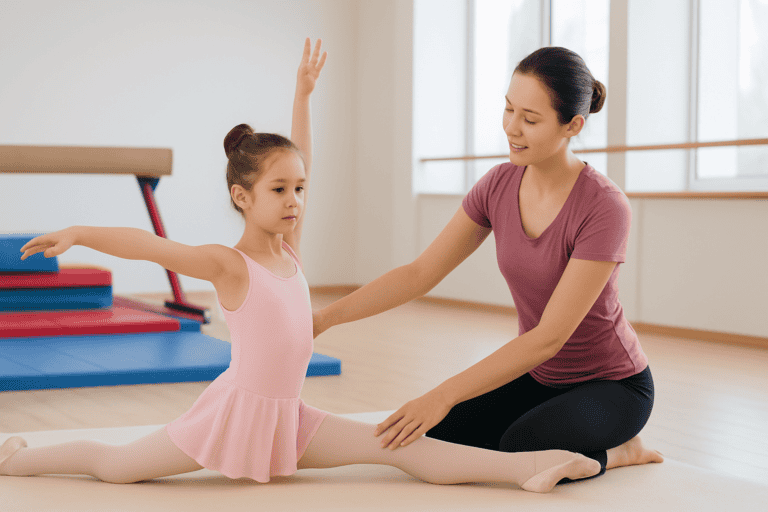
- Seek Guidance: Work with qualified coaches who can help tailor a cross-training program suited to your needs. [LINK_TO: spotlight on our coaches]
Conclusion
Cross-training gymnastics ballet is a powerful approach for students who aspire to excel in both disciplines. By embracing the unique benefits of each, athletes can cultivate their skills, enhance their performance, and enjoy a more fulfilling training journey. At AGDA, we encourage families to explore our programs that offer the best of both worlds. If you’re ready to dive into cross-training, don’t hesitate to [LINK_TO: how to choose the right gymnastics or ballet class for your child] and get started with us today!
One Comment