How to Improve Flexibility for Gymnastics and Ballet
Unlocking Flexibility: Essential for Gymnastics and Ballet
Flexibility is a crucial component in both gymnastics and ballet, allowing performers to execute movements with grace and precision. If you’re looking to improve flexibility gymnastics ballet, you’re in the right place! In this guide, we’ll explore effective techniques, stretches, and tips that can help dancers and gymnasts of all ages enhance their flexibility, supporting their dual-discipline training at the Asia Gymnastics & Dance Academy (AGDA).
Understanding the Importance of Flexibility
Flexibility plays a vital role in enhancing performance and reducing the risk of injuries in both gymnastics and ballet. Here are several reasons why improving flexibility is essential:
- Enhanced Performance: Increased flexibility allows for a broader range of motion, making it easier to perform complex routines.
- Injury Prevention: Flexible muscles can better withstand the demands of rigorous training, reducing the likelihood of strains and sprains.
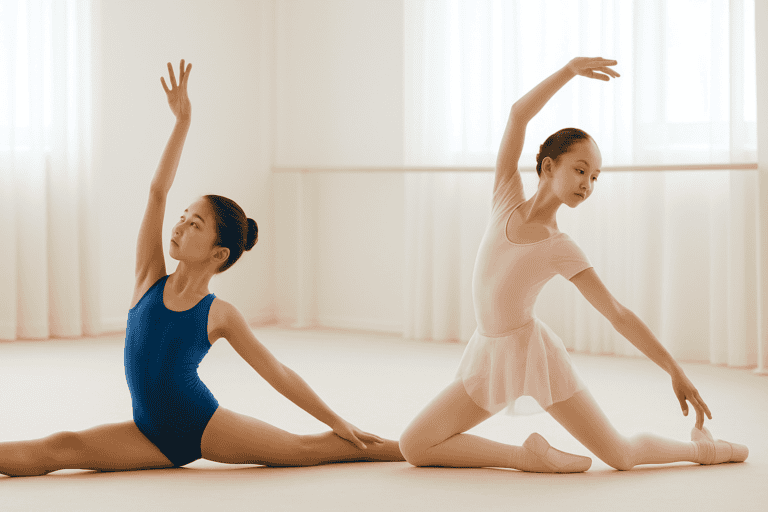
- Improved Technique: Flexibility is key in executing movements such as splits, jumps, and turns with precision and elegance.
Effective Stretching Techniques
To improve flexibility gymnastics ballet, consistent stretching is vital. Here are some effective stretching techniques:
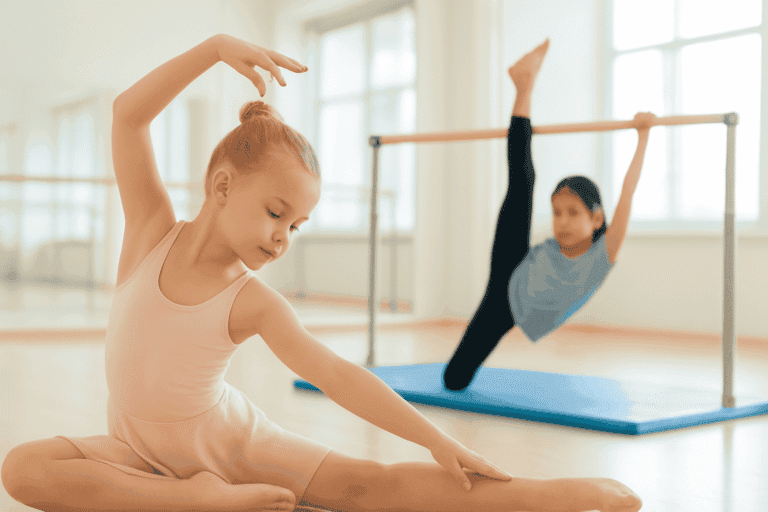
- Static Stretching: Focus on holding stretches for 15-30 seconds without bouncing. Key stretches include hamstring stretches, quadriceps stretches, and seated forward bends.
- Dynamic Stretching: Incorporate movement into your stretches, such as leg swings and arm circles, to warm up muscles before training.
- Proprioceptive Neuromuscular Facilitation (PNF): This technique involves a combination of stretching and contracting muscles, which can significantly enhance flexibility when done with a partner.
Daily Flexibility Routine
Creating a daily flexibility routine can greatly benefit your training. Here’s a simple routine you can follow:
- Warm-Up: Start with light cardio, like jogging or skipping, for 5-10 minutes.
- Static Stretches: Incorporate stretches targeting major muscle groups, holding each for 15-30 seconds.
- Cool Down: After training, repeat static stretches to relax muscles and improve recovery.
Cross-Training: The Key to Flexibility
Did you know that cross-training in gymnastics and ballet can significantly enhance your flexibility? The benefits of participating in both disciplines allow athletes to develop a well-rounded skill set. To learn more about how these two art forms complement each other, read our article on The Benefits of Cross-Training.
Conclusion
Improving flexibility for gymnastics and ballet is a journey that requires dedication and practice. By incorporating effective stretching techniques and maintaining a consistent routine, you can enhance your performance and enjoy the many benefits that come with increased flexibility. Ready to take the next step in your training? Join us today at AGDA and unlock your potential!

One Comment
Comments are closed.