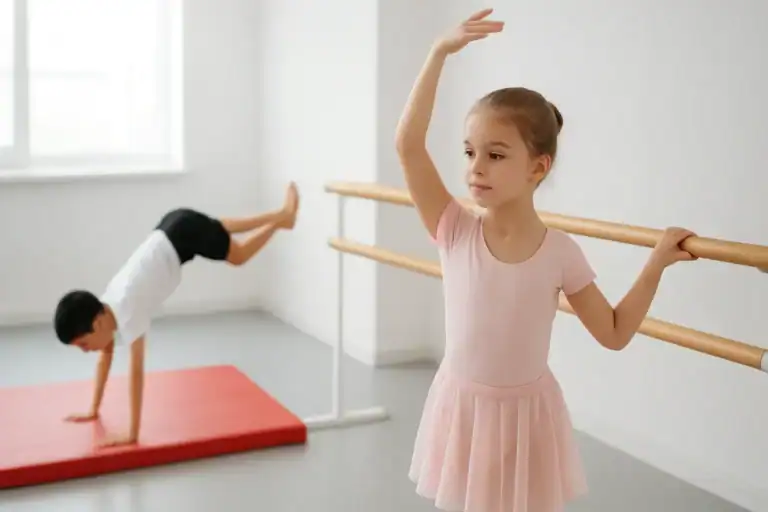
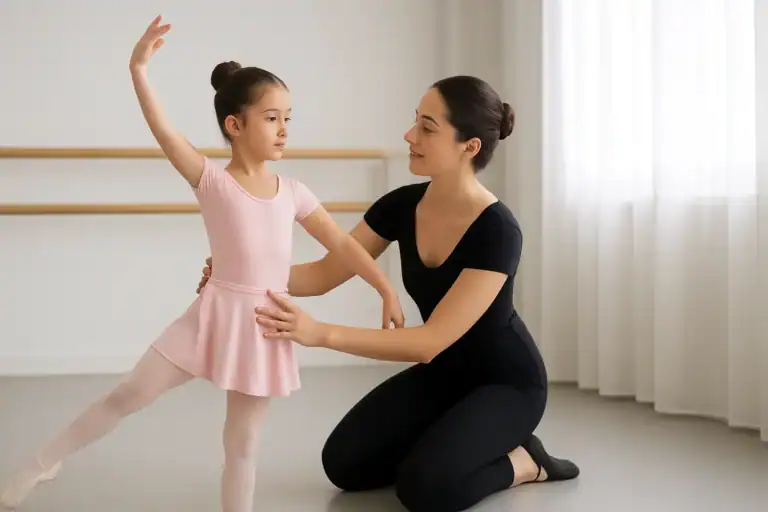
The Benefits of Cross-Training: Why Your Child Should Try Both Gymnastics and Ballet
Table of Contents
- Introduction
- What is Cross-Training?
- Benefits of Cross-Training
- How Gymnastics and Ballet Complement Each Other
- Tips for Parents
- Conclusion
Introduction
The benefits of cross-training are numerous, especially for young athletes. For children interested in both gymnastics and ballet, exploring both disciplines offers unique advantages that enhance their physical abilities and artistic expression. This article delves into why your child should consider participating in both gymnastics and ballet at Asia Gymnastics & Dance Academy (AGDA).
What is Cross-Training?
Cross-training involves participating in different athletic disciplines to improve overall performance. In the context of gymnastics and ballet, it means training in both areas to develop a well-rounded skill set. This approach is particularly beneficial for young athletes, as it helps prevent injuries, improve fitness, and enhance technique.
Benefits of Cross-Training
Engaging in both gymnastics and ballet provides a variety of advantages:
- Improved Flexibility: Both gymnastics and ballet require a high degree of flexibility. By training in both disciplines, children can enhance their flexibility more rapidly. Check out our guide on 5 Exercises to Improve Flexibility for Young Dancers and Gymnasts.
- Increased Strength: Gymnastics builds strength through bodyweight exercises, while ballet develops strength in a controlled manner. Together, they create a strong foundation for any athletic endeavor.
- Better Coordination: Both sports focus on intricate movements and balance. As students learn to execute complex routines, their overall coordination will improve.
- Enhanced Artistic Expression: Ballet is a form of expressive dance that teaches children how to convey emotions through movement. Pairing this with gymnastics can create well-rounded performers.
- Reduced Risk of Injury: Cross-training allows for a more balanced physical development, which reduces the likelihood of overuse injuries that can occur from focusing solely on one discipline.
How Gymnastics and Ballet Complement Each Other
Gymnastics and ballet are often seen as separate entities, but they share many similarities. Here’s how they complement each other:
- Body Awareness: Both disciplines require heightened body awareness. This understanding of body mechanics helps students perform better in both gymnastics and ballet.
- Discipline and Focus: Both gymnastics and ballet demand rigorous training and commitment. The discipline learned in one can enhance performance in the other.
- Grace and Power: Gymnasts often perform powerful moves, while ballet dancers emphasize grace. Together, training in both can develop a unique blend of strength and elegance.
Tips for Parents
As a parent, supporting your child’s dual-discipline training can be rewarding. Here are some tips:
- Encourage them to set goals for both gymnastics and ballet. This will help them stay motivated and focused.
- Be supportive of their journey by attending classes.
- Consider enrolling them in AGDA’s tailored programs that offer both gymnastics and ballet under one roof. Our guide on Choosing the Right Class for Your Child can help you make informed decisions.
- Help them maintain a balanced schedule to avoid burnout. It’s important to allow time for rest and recovery.
Conclusion
The benefits of cross-training in gymnastics and ballet are clear. By allowing your child to experience both disciplines, you are providing them with a unique opportunity to grow, both physically and artistically. The combination of strength, flexibility, coordination, and artistic expression will not only enhance their performance but also foster a love for movement that can last a lifetime. Consider enrolling your child at AGDA today to experience the best of both worlds!