Ballet Vs Hip Hop For Kids: Which Is Easier To Start?
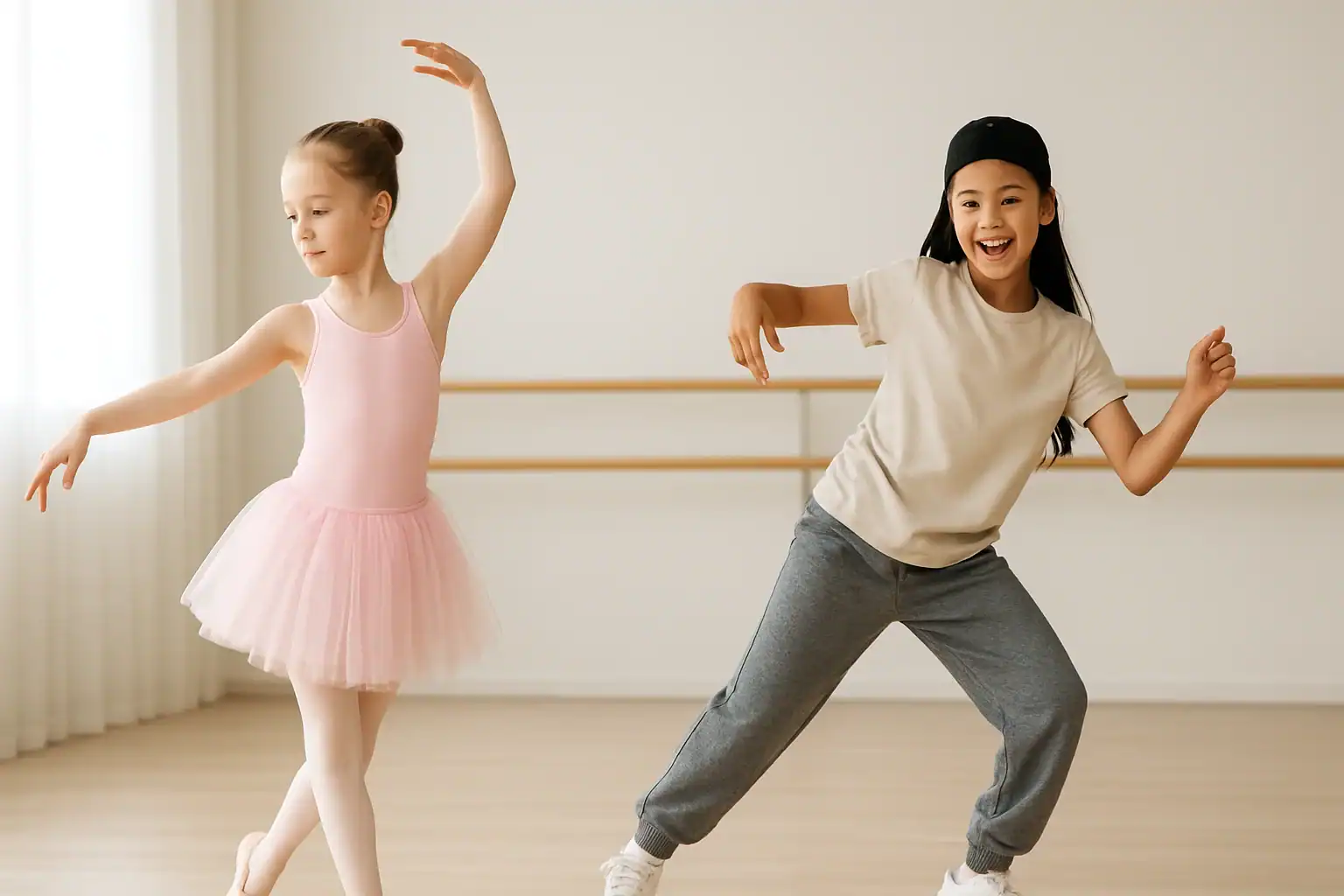
Ballet Vs Hip Hop For Kids: Which Is Easier To Start?
Choosing between ballet and hip hop for kids often leads parents to wonder which style is easier to start. While both dance forms have their merits, Ballet typically offers a more structured foundation for young dancers, while hip hop encourages creativity and self-expression. This article will explore the skill development, physical benefits, and unique characteristics of each style to help you make an informed decision.
Parents want to see their children thrive in physical activities, and understanding the nuances of ballet and hip hop can guide you toward the right choice. In this article, we’ll cover everything from class structures and physical benefits to skill acquisition timelines and how each dance style can nurture your child’s growth.
Understanding the Basics of Ballet and Hip Hop
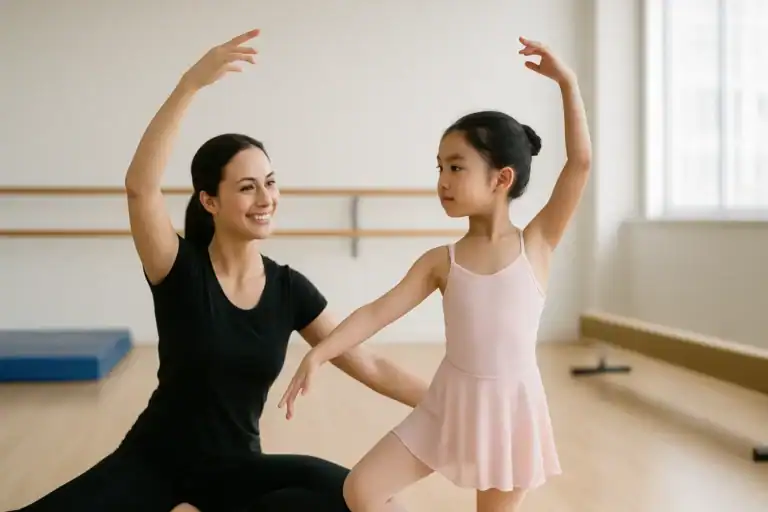
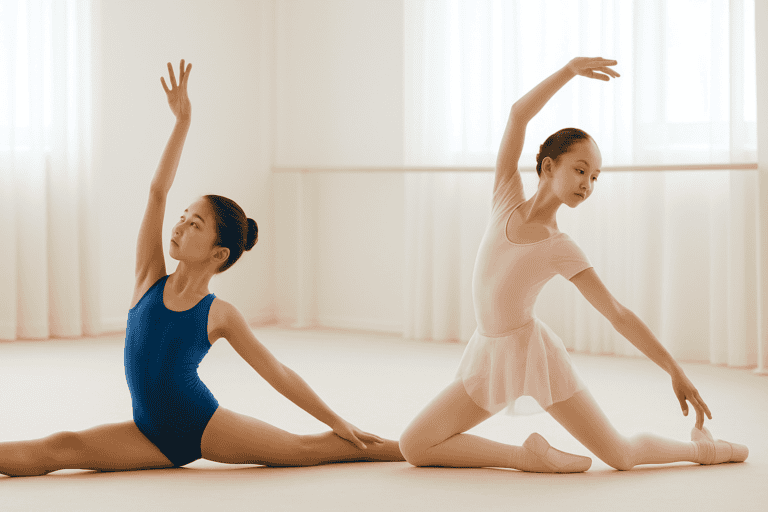
Ballet is a classical dance form that emphasizes technique, discipline, and grace. Originating in the Italian Renaissance courts, ballet has evolved into a highly technical art form characterized by its precise movements and structured routines. Classes typically focus on developing core strength, flexibility, and coordination, starting with basic positions and progressing to complex choreography.
In contrast, hip hop is a dynamic and expressive dance style that emerged from street culture in the 1970s. It incorporates various styles, including breaking, locking, and popping, and is often performed to upbeat music. Hip hop classes tend to be less structured than ballet, focusing more on improvisation, rhythm, and personal expression.
Class Structures and Skill Development
When we compare ballet and hip hop for kids, the class structures reveal significant differences. Ballet classes usually follow a set curriculum, which progresses from beginner to advanced levels. Young dancers typically learn foundational techniques, such as pliés, tendus, and jetés, before advancing to more complex moves. For example, a beginner ballet student may spend several months mastering the five basic positions before moving on to choreography.
Hip hop classes, on the other hand, adopt a more fluid approach. While they may include warm-ups and foundational moves, instructors often encourage students to explore their own styles and creativity. This flexibility can make hip hop more accessible for younger children who may not yet have the discipline required for ballet. However, finding a good class with experienced instructors is essential to ensure a solid foundation in hip hop as well.
Physical Benefits of Ballet and Hip Hop
Both ballet and hip hop offer unique physical benefits that can positively impact a child’s development.
Benefits of Ballet:
- Core Strength: Ballet requires core engagement for balance and control, significantly enhancing a child’s overall strength.
- Flexibility: Regular practice leads to increased flexibility, which can benefit children in various sports and activities.
- Posture and Alignment: Ballet training emphasizes proper alignment and posture, helping to instill healthy habits early on.
Benefits of Hip Hop:
- Cardiovascular Fitness: Hip hop is a high-energy dance style that offers an excellent cardiovascular workout, improving stamina and overall fitness.
- Coordination and Rhythm: The varying beats and styles in hip hop enhance a child’s sense of timing and coordination.
- Creativity and Confidence: Hip hop encourages self-expression, fostering creativity and building confidence as children develop their unique dance styles.
Which Style is Easier to Start?
When asking, “Ballet vs Hip Hop for kids: which is easier to start?” several factors come into play. Generally, hip hop may be easier for younger children to engage with immediately due to its informal structure and emphasis on creativity. Kids can often jump right in without the need for extensive background knowledge or previous experience.
Ballet, while more structured, provides a solid foundation that can benefit children in other physical activities. However, the discipline required and the emphasis on technique can be intimidating for some kids.
A study conducted by the National Dance Education Organization (NDEO) found that children who receive formal dance training—especially in structured forms like ballet—often display improved motor skills and cognitive abilities compared to those who do not.
Age Considerations
While children can start ballet as early as 3 years old in creative movement classes, hip hop classes typically welcome slightly older children, starting around age 5 or 6. This age difference can influence ease of entry, as younger kids may find hip hop’s energetic nature more engaging and accessible.
Social Aspects and Environment
Social dynamics can also influence which style is easier for kids to start. Ballet classes often foster a sense of discipline and teamwork, as students work together to learn routines and perform. The structured environment can be beneficial for children who thrive in a more organized setting.
Hip hop classes, by contrast, often have a more relaxed atmosphere. This can create a strong sense of community and camaraderie as students encourage each other to express themselves. Kids who enjoy a more social and interactive environment may find hip hop’s collaborative nature appealing.
Cost Considerations
Cost can also be a deciding factor in choosing between ballet and hip hop classes. Ballet classes tend to be more expensive due to the need for specialized instructors and facilities. In Singapore, for example, ballet classes can range from SGD 150 to SGD 300 per month, depending on the academy and level of instruction.
Hip hop classes, on the other hand, often come with lower monthly fees, typically between SGD 100 to SGD 200, making them an attractive option for families on a budget.
Finding the Right Academy
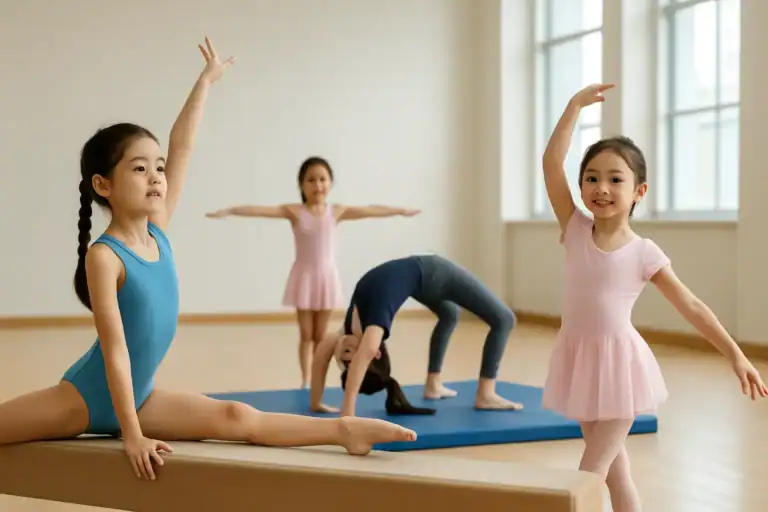
Regardless of the style you choose, selecting the right academy is crucial. Look for schools that prioritize the safety and well-being of their students, offer experienced instructors, and provide a supportive learning environment. Asia Gymnastics & Dance Academy (AGDA) in Singapore, for instance, offers both ballet and hip hop classes under one roof, providing the unique opportunity for kids to explore both disciplines.
Cross-Training Opportunities
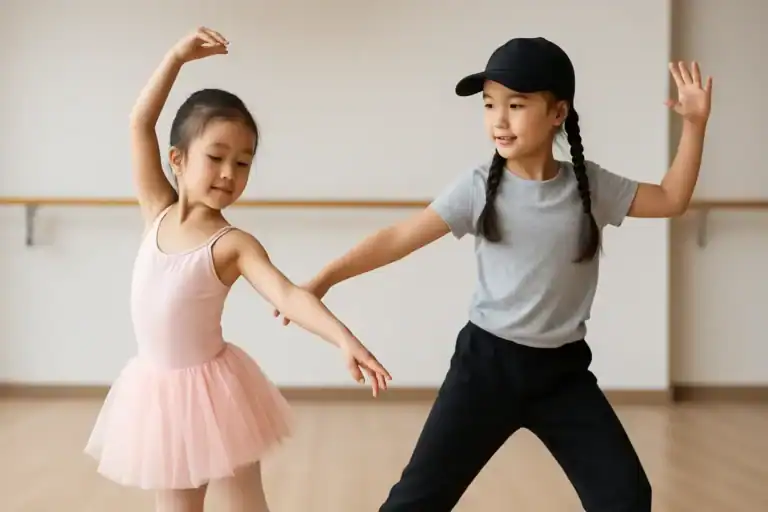
One of the most significant advantages of choosing AGDA is the opportunity for cross-training. By engaging in both ballet and hip hop, children can develop a diverse skill set that enhances their overall dance ability. The combination of these two styles can lead to improved strength, flexibility, and artistic expression.
Conclusion
In the debate of ballet vs. hip hop for kids, the easier option largely depends on the child’s personality, interests, and learning style. Hip hop may be more accessible for young children seeking immediate engagement and creativity. However, ballet offers structured training that can provide a strong foundation for future physical pursuits.
Ultimately, both styles come with their unique benefits, and the decision may also hinge on factors such as class availability, costs, and the child’s social preferences.
Your Next Steps
Consider visiting Asia Gymnastics & Dance Academy to explore trial classes in both ballet and hip hop. Witness firsthand how each style resonates with your child and see which one sparks their passion for dance!
Key Takeaways
- Ballet offers structured, disciplined training.
- Hip hop encourages creativity and self-expression.
- Cost differences may affect class choice.
Frequently Asked Questions
Q: What age can children start ballet?
Is hip hop more suitable for younger kids?
Which style is better for fitness?
Are there cross-training benefits in dance?
How much do ballet classes typically cost?
Can my child try both ballet and hip hop?
Ready to explore the world of dance? Sign up for a trial class at Asia Gymnastics & Dance Academy today and let your child discover the joy of ballet and hip hop!