Buddy Or Group Of 3: Benefits of Group Training Sessions
Buddy Or Group Of 3: Benefits of Group Training Sessions for Gymnasts and Dancers
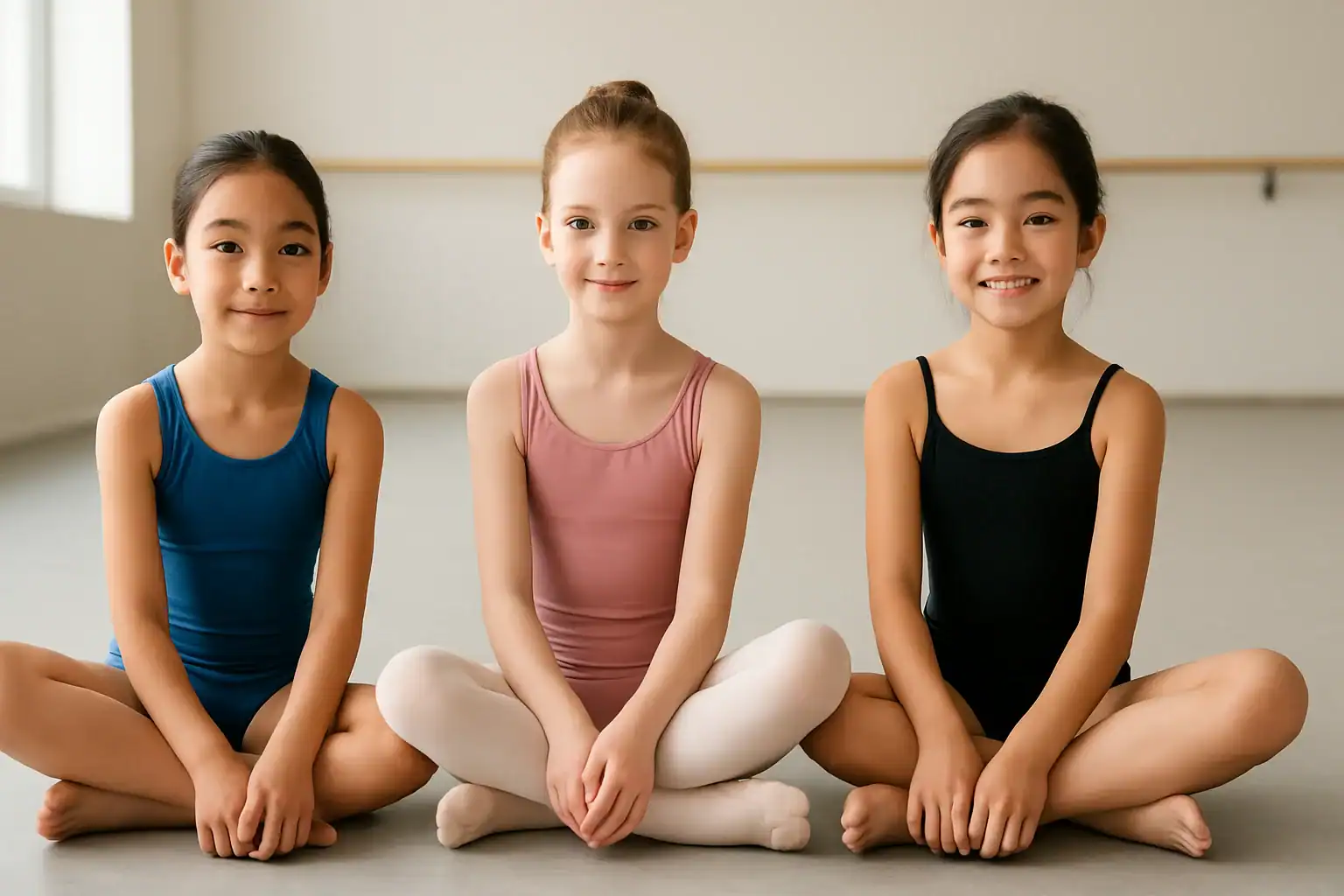
Engaging in group training sessions, whether with a buddy or a small group of three, offers numerous benefits for gymnasts and dancers. These sessions foster camaraderie, enhance motivation, and provide a competitive edge, all while making learning more enjoyable.
In this article, you’ll learn about the advantages of group training, how it can improve your skills, and strategies for making the most out of these sessions. By the end, you’ll have a clear understanding of why training with others can be a game-changer in your gymnastics or ballet journey.
The Social Benefits of Group Training
Training in a group creates a supportive environment that can lead to lasting friendships. When kids and adults train together, it encourages social interactions that are fundamental for personal development.
- Encouragement and Support: Having peers around provides emotional support. When one member feels frustrated, others can offer help and motivation, creating a positive feedback loop.
- Building Team Skills: Group training fosters teamwork. Participants learn to work together, helping each other refine techniques, which is especially important in routines requiring synchronization.
Research indicates that social support plays a crucial role in motivation. A study published in the Journal of Sport & Exercise Psychology found that individuals who train in groups report higher levels of enjoyment and commitment compared to those who train alone.
[INTERNAL LINK: learn more about our gymnastics classes]
Enhancing Skill Development
Training with a buddy or a small group can significantly speed up skill acquisition. Here’s how:
- Peer Feedback: Group sessions allow participants to give and receive immediate feedback. This can help identify mistakes and correct them in real-time, which is invaluable for skill improvement.
- Diverse Learning Styles: Different training partners may have unique insights and techniques. This diversity can enrich the learning experience and provide varied perspectives on how to approach specific skills.
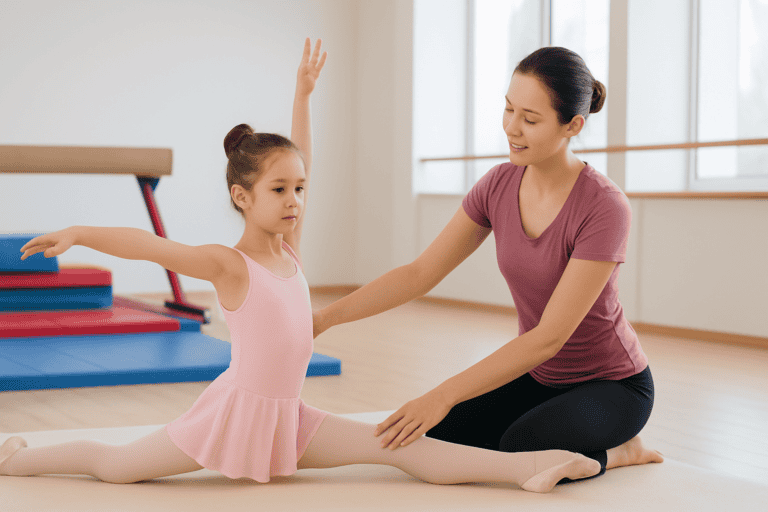
When gymnasts practice together, they can challenge each other to push their limits. For instance, if one student excels in balance, they can help others refine their techniques, while benefiting from observation and collaboration.
Motivation Through Competition
Another advantage of group training is the element of competition. Friendly competition can motivate participants to perform at their best.
- Setting Goals Together: Training in a group allows members to set collective goals, such as mastering a specific routine or improving flexibility. Working towards a common objective fosters camaraderie and accountability.
- Friendly Rivalries: Light-hearted competition can spark motivation. Seeing a peer achieve a new skill may inspire others to work harder and push their boundaries.
Practical Tips for Successful Group Training
To make the most out of group training sessions, consider these practical strategies:
- Choose Compatible Partners: Select training buddies who share similar goals and skill levels. This ensures that everyone can contribute meaningfully and benefit from the experience.
- Set Clear Objectives: Before starting your session, establish clear objectives. Whether it’s perfecting a tumbling pass or refining a ballet routine, having a focus will maximize productivity.
- Rotate Roles: In gymnastics, one person can spot while another practices, or in dance, partners can switch roles to experience different perspectives. This enhances learning and fosters empathy.
[IMAGE: group training session in gymnastics, alt text: Young gymnasts practicing together in a training session]
The Benefits of Cross-Training
One of the unique advantages of training at Asia Gymnastics & Dance Academy (AGDA) is the opportunity for cross-training in both gymnastics and ballet. This dual-discipline approach enhances physical capabilities and artistic expression.
- Improved Flexibility: Ballet focuses on flexibility and grace, while gymnastics emphasizes strength and agility. Training in both disciplines helps students develop a balanced physique.
- Enhanced Coordination: The combination of rhythmic ballet movements and dynamic gymnastics skills improves overall coordination, making transitions between disciplines smoother.
- Injury Prevention: Cross-training can reduce the risk of injury by building a well-rounded fitness foundation. Strong muscles and flexible joints are less prone to injuries.
AGDA’s expert coaching staff tailors programs for all ages and skill levels, ensuring that every student maximizes their potential through this comprehensive approach.
Student Spotlights: Success Stories
Highlighting individual achievements showcases the effectiveness of group training. For example, consider Emma, a student who struggled with her back handspring. Through collaborative practice with two peers, she received constructive feedback and encouragement. As a result, she mastered the move and gained confidence, ultimately performing it in front of her class.
Such stories are common at AGDA, where students regularly support each other in reaching their personal goals.
The Role of Coaches in Group Settings
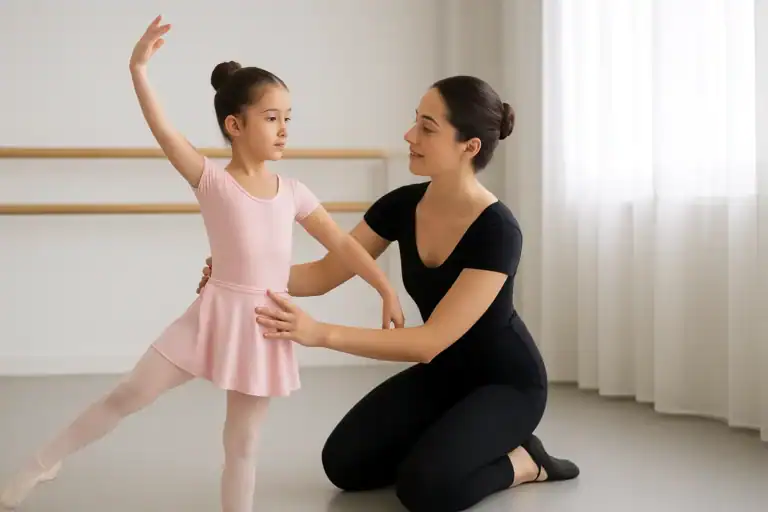
While peer support is essential, the role of coaches cannot be overstated. Experienced coaches at AGDA provide guidance and ensure that group training sessions remain productive.
- Structured Sessions: Coaches design sessions that focus on both individual and group skill development, ensuring that everyone benefits from the training.
- Personalized Feedback: They monitor progress and offer tailored advice, helping students refine their techniques while working with others.
Balancing Individual Needs in Group Training
While group training has many advantages, it’s crucial to acknowledge that individual needs may vary. Some students may thrive in a group setting, while others might find it distracting.
- Personal Attention: Coaches should balance group dynamics with the need for individual attention. If a student isn’t progressing, it’s essential to address their specific challenges.
- Flexibility in Training: Offering options for both group and individual sessions allows students to choose what works best for them.
Conclusion: Making the Most of Group Training
In summary, training with a buddy or a group of three can significantly enhance the experience for gymnasts and dancers. With benefits ranging from social support to skill development and motivation, group sessions provide a rich environment for personal growth.
If you’re looking to take your gymnastics or ballet training to the next level, consider joining a group at Asia Gymnastics & Dance Academy. The unique opportunity to cross-train in both disciplines, combined with expert coaching, will help you develop strength, grace, and artistic expression.
[KEY TAKEAWAYS]
- Group training fosters social connections and support.
- Peer feedback accelerates skill development.
- Cross-training enhances flexibility and coordination.
[FAQ] Q: What are the benefits of training in a group? A: Group training fosters social connections, provides peer feedback, and enhances motivation through friendly competition, leading to improved skill development.
Q: How does cross-training in gymnastics and ballet help? A: Cross-training improves flexibility, coordination, and strength, providing a well-rounded fitness foundation and reducing injury risk.
Q: Can I choose my training partners at AGDA? A: Yes, at AGDA, you can select training partners who share similar goals and skill levels to maximize your training experience.
Q: How are group training sessions structured? A: Coaches at AGDA design structured sessions that focus on both individual and group skill development, ensuring everyone benefits.
Q: What if I prefer individual training? A: AGDA offers options for both group and individual sessions, allowing students to choose the training style that works best for them.
[PRIMARY CTA] Ready to enhance your skills in gymnastics and ballet? Join a group training session at Asia Gymnastics & Dance Academy today! Sign up for a trial class and experience the benefits firsthand.
Key Takeaways
- Group training fosters social connections and support.
- Peer feedback accelerates skill development.
- Cross-training enhances flexibility and coordination.
Frequently Asked Questions
Q: What are the benefits of training in a group?
How does cross-training in gymnastics and ballet help?
Can I choose my training partners at AGDA?
How are group training sessions structured?
What if I prefer individual training?
Ready to enhance your skills in gymnastics and ballet? Join a group training session at Asia Gymnastics & Dance Academy today! Sign up for a trial class and experience the benefits firsthand.
—ARTICLE END—