Physical and Mental Benefits of Gymnastics for Children
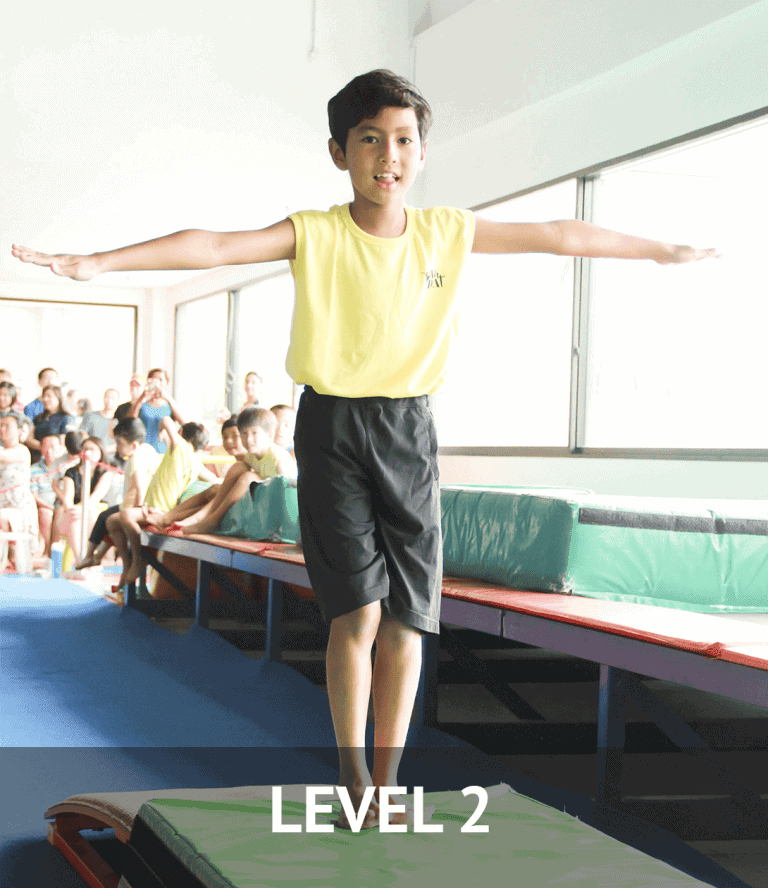
A stronger cartwheel is only one part of the story. The physical and mental benefits of gymnastics for children can begin with everyday achievements: balancing for a little longer, listening to an instruction or finding the confidence to try again. For parents choosing an activity in Singapore, gymnastics offers a playful way to combine movement, learning and time with other children.
Children do not need to be naturally flexible or aim for competition to enjoy gymnastics. A suitable beginner class introduces skills gradually, with encouragement and activities matched to each child’s stage of development. Here is how that experience can support your child, and what to look for before enrolling.
Physical benefits of gymnastics for children
Building strength and supporting healthy bones
Gymnastics uses the whole body. Supporting weight through the arms, holding a balanced shape and moving from one position to another all give children opportunities to develop muscular strength. They learn to control movements rather than simply move quickly.
Weight-bearing activities, including appropriately taught jumping and landing, also contribute to bone-strengthening activity. The CDC’s overview of physical activity benefits for children identifies stronger muscles and bones among the benefits of regular movement. These are benefits of physical activity generally; an individual child’s progress depends on their age, participation and instruction.
Improving balance, coordination and body awareness
Walking along a line, balancing on one foot or learning a controlled roll asks children to coordinate different parts of their body. They begin to notice where their hands and feet are, how to shift their weight and how much space a movement needs.
These foundations are useful beyond the gym. Children practise movement skills that also appear in playground games, dance and other sports. Progress might be as simple as stepping more confidently across a balance activity or stopping a jump with better control.
Developing flexibility and mobility gradually
Gentle, age-appropriate mobility work helps children explore a comfortable range of movement. Gymnastics combines this with strength and control, so flexibility becomes part of moving well rather than a contest to stretch furthest.
Children start with different abilities. Deep stretches and advanced positions should never be forced. A positive class values careful technique and steady progress, without making children feel that they must achieve the splits to belong.
Making active habits enjoyable
Games, movement sequences and skill stations can make exercise feel like an adventure. Finding an activity they enjoy gives children a reason to keep moving. Gymnastics can be one part of an active week alongside outdoor play, walking, swimming or cycling.
A weekly lesson does not replace regular movement throughout the week. Families can find broader ideas in HealthHub’s guide to getting fit through fun. The aim is a varied, enjoyable routine that fits your child’s age and interests.
Mental and emotional benefits of gymnastics
Growing confidence through achievable goals
Confidence often grows from small successes. A child who first needs help with a balance may later manage a few seconds independently. Seeing that improvement gives them a concrete reason to feel proud of their effort.
Helpful coaching breaks a challenging skill into manageable steps. Praise for listening, practising and asking for help can make achievement feel accessible. Children can build confidence at recreational level, without medals or comparisons with classmates.
Practising concentration and listening
Following a short sequence means paying attention, remembering what comes next and responding to feedback. Waiting for a turn also gives children opportunities to practise patience and follow shared instructions.
Regular physical activity supports children’s brain health, including attention and memory, according to the CDC. In a gymnastics class, listening and sequencing provide practical opportunities to use those skills. However, participation does not guarantee better school results or the same changes in every child.
Learning persistence and handling frustration
New skills rarely arrive perfectly on the first attempt. A supportive coach can help a child pause, adjust one small detail and try again when ready. This makes mistakes part of learning rather than something to be embarrassed about.
The goal is not to push children through fear. Giving them time, a simpler version of a task or the chance to ask for assistance helps them approach challenges with trust. Over time, these experiences can encourage patience and a more positive response to setbacks.
Creating space for enjoyment and friendships
An enjoyable class gives children time to move, play and connect with others. Encouraging a classmate, taking turns and celebrating someone else’s progress all create opportunities to practise social skills.
Some children settle in quickly; others prefer to observe before joining in. A welcoming environment respects both. Enjoyment, a sense of belonging and a positive relationship with the coach matter as much as learning the next skill.
Choosing a gymnastics class that supports your child
The benefits of gymnastics depend partly on the learning environment. Look for a class suited to your child’s age, experience and readiness, rather than choosing solely by the most advanced skills on display. Ask how coaches introduce beginners and adapt activities for different needs.
Before enrolling, discuss supervision, equipment, group size and how the coach responds when a child feels nervous. Activities should progress gradually, with clear instructions and suitable equipment. Your child should feel able to speak up if something hurts or feels overwhelming.
For families exploring local options, visit AGDA’s kids’ gymnastics classes in Singapore page. You can also read the academy’s Child Safe Sport Commitment and ask the team about current class arrangements.
How parents can encourage progress
After class, try asking, “What did you enjoy?” or “What did you practise today?” These questions put the focus on learning. Celebrate effort and small improvements, and avoid comparing your child with a sibling or another gymnast.
Give children time to rest and enjoy other activities. At home, keep movement playful and follow the coach’s advice about suitable practice. Apparatus skills, flips and other advanced movements belong in an appropriately supervised training environment.
Frequently asked questions
Does my child need to be flexible before starting gymnastics?
No. Beginner gymnastics is a place to develop movement skills. Flexibility, strength and coordination can be introduced gradually through activities suited to the child. Ask which class best matches their starting point.
Can a shy child enjoy gymnastics?
Yes, a shy child may enjoy a predictable routine and gentle encouragement. Tell the coach about any worries beforehand and allow time to settle in. Feeling comfortable is a better early goal than performing a particular skill.
Does my child have to compete to benefit?
No. Recreational participation can offer opportunities to build physical skills, confidence and friendships. Ask about the available pathways so that the class fits your child’s interests and your family’s expectations.
Help your child take the next step
Gymnastics gives children opportunities to become stronger, explore movement and feel proud of what they learn. The most valuable progress often comes from enjoying the process in an encouraging environment. To explore a suitable starting point, contact Asia Gymnastics & Dance Academy about classes for your child.

