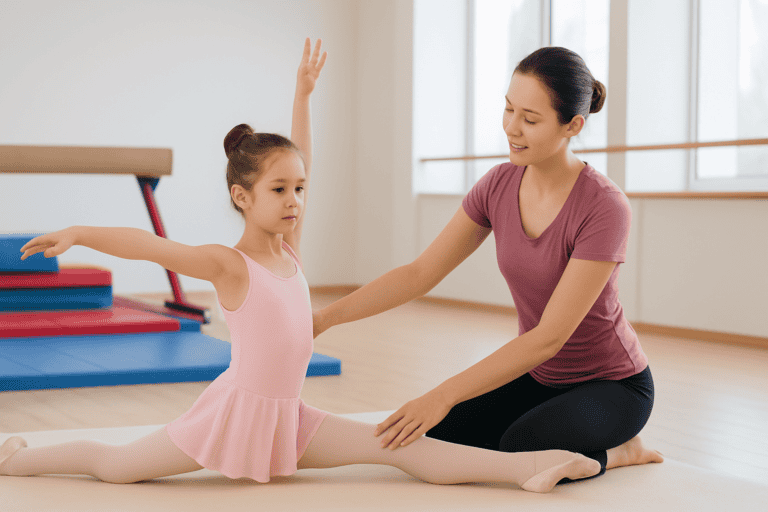
About Us: Benefits of Rhythmic Gymnastics for Kids
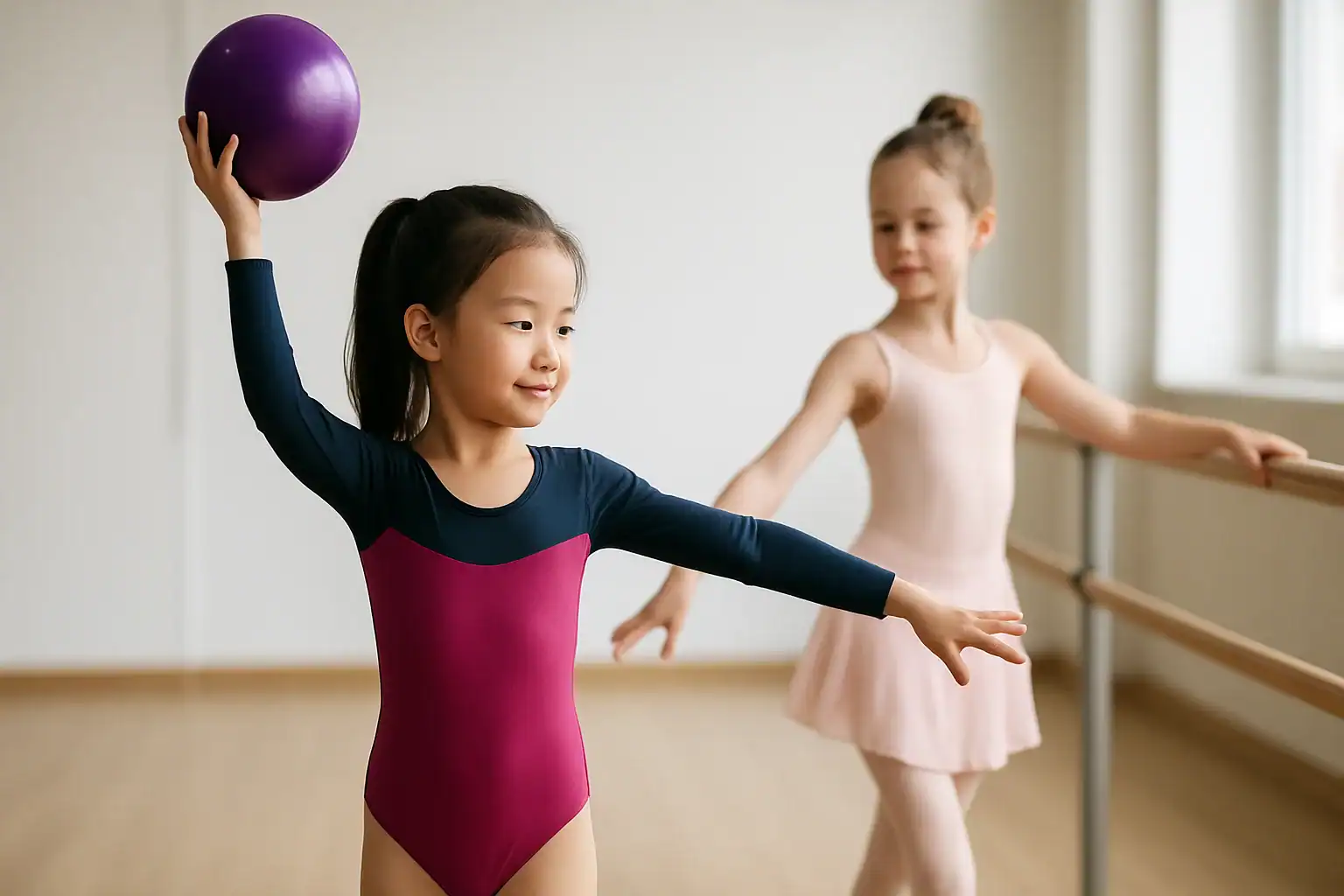
About Us: Benefits of Rhythmic Gymnastics for Kids in Singapore
Rhythmic gymnastics offers numerous benefits for kids, particularly in Singapore, where the sport is growing in popularity. This article will explore the unique advantages of rhythmic gymnastics, including physical fitness, coordination, artistic expression, and social development. At Asia Gymnastics & Dance Academy (AGDA), we provide a comprehensive approach to rhythmic gymnastics that cultivates both skill and confidence in young athletes.
What is Rhythmic Gymnastics?
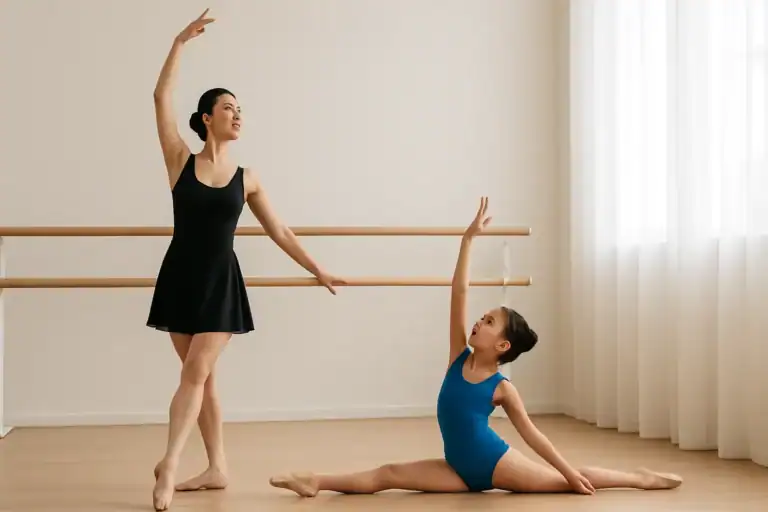
Rhythmic gymnastics is a captivating sport that combines elements of gymnastics, dance, and ballet using apparatus such as ribbons, hoops, balls, clubs, and ropes. This dynamic discipline emphasizes grace, flexibility, and rhythm, allowing participants to express their creativity through movement. Unlike traditional gymnastics, rhythmic gymnastics is performed solely by female athletes, typically starting from as young as five years old, but AGDA welcomes children of all ages to explore their passion for this beautiful sport.
The Unique Benefits of Rhythmic Gymnastics
- Physical Fitness
– Rhythmic gymnastics provides an excellent full-body workout. Through routines that require strength, flexibility, and endurance, children develop core stability and overall body awareness. – Regular training can enhance cardiovascular health, improve muscle tone, and promote a healthy lifestyle from a young age.
- Coordination and Balance
– The sport demands high levels of coordination and balance as athletes perform complex movements with apparatus while maintaining elegance and poise. – Such skills are beneficial not only in gymnastics but also in various other sports and physical activities.
- Artistic Expression
– Rhythmic gymnastics allows children to express themselves creatively through choreographed routines. This artistic aspect fosters an appreciation for movement and music, developing both emotional and aesthetic sensibilities. – Kids learn how to interpret music and adjust their movements accordingly, enhancing their ability to convey feelings and stories through dance.
- Social Development
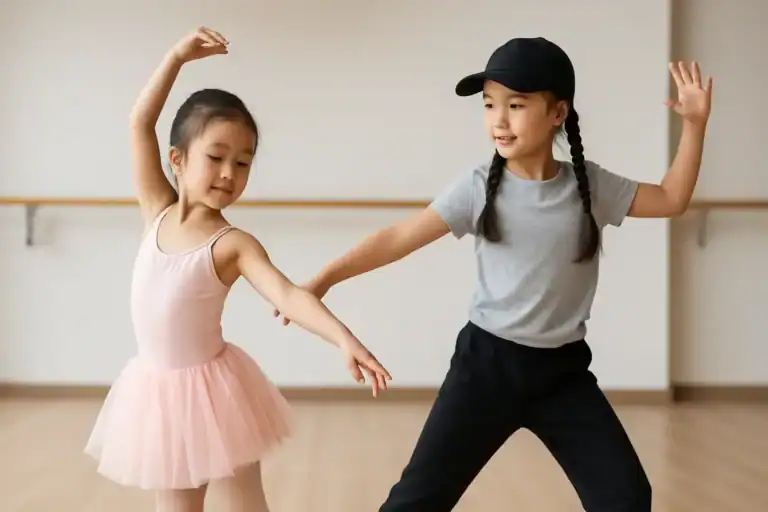
– Participating in rhythmic gymnastics promotes camaraderie and teamwork. Children often train in groups, allowing them to build friendships and improve communication skills. – Competitions and performances provide opportunities to showcase their skills and gain valuable experience in public speaking and presentation.
- Boosting Self-Confidence
– Mastering rhythmic gymnastics routines instills a sense of achievement, boosting self-esteem and confidence in young athletes. – As they progress, they learn to set and accomplish personal goals, which translates to other areas of their lives, including academics and personal relationships.
The AGDA Approach to Rhythmic Gymnastics
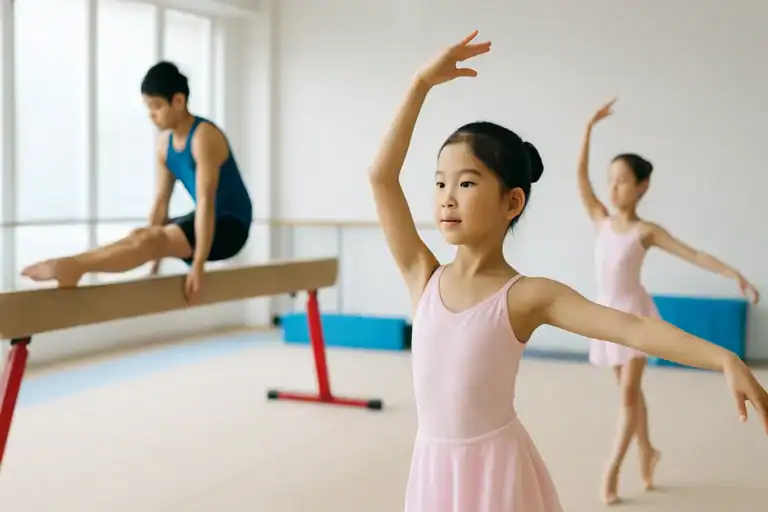
At AGDA, we pride ourselves on our dual-discipline training that combines both gymnastics and ballet under one roof. This unique offering allows students to benefit from the strengths of each discipline, enhancing their overall skill set. Our expert coaching staff, with years of experience and training, provides personalized attention to each student, ensuring they receive the best guidance possible.
- State-of-the-Art Facilities: Our academy is equipped with modern facilities tailored to support rigorous training across both gymnastics and ballet.
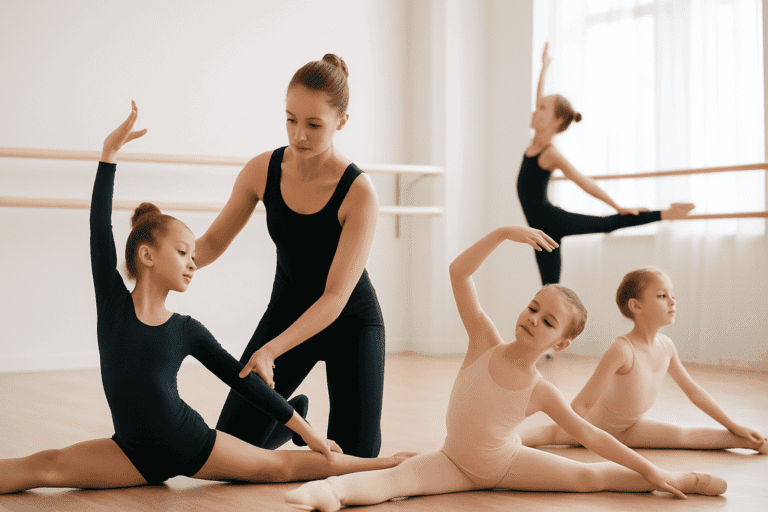
- Expert Coaches: Our coaches are highly trained professionals who have competed at various levels, including national and international competitions. They understand the nuances of rhythmic gymnastics and are dedicated to nurturing young talent.
How to Get Started
If you’re interested in enrolling your child in rhythmic gymnastics at AGDA, the process is simple. We offer trial classes for beginners, where they can experience the joy of movement in a supportive environment. Our flexible scheduling accommodates busy family lives, ensuring your child can participate and thrive.
- Schedule a Trial Class: [INTERNAL LINK: Schedule a trial class today]
- Explore Class Offerings: [INTERNAL LINK: Check out our class offerings]
Training Tips for Young Rhythmic Gymnasts
To maximize their potential in rhythmic gymnastics, young athletes can benefit from additional training tips:
- Practice Regularly: Consistent practice is key to mastering routines and improving skills. Encourage your child to practice at home, focusing on flexibility and strength exercises.
- Focus on Nutrition: A balanced diet rich in fruits, vegetables, and proteins can enhance performance and recovery. Hydration is equally important, especially during intense training sessions.
- Set Goals: Help your child set achievable goals, whether mastering a particular move or improving their performance in competitions. Celebrate their progress to keep them motivated.
Student Spotlights: Success Stories at AGDA
At AGDA, we love celebrating the achievements of our students. From local competitions to international showcases, our young gymnasts consistently impress with their talent and dedication.
- Case Study: Sarah Tan: At just eight years old, Sarah won a bronze medal at the National Rhythmic Gymnastics Championships. Her journey began at AGDA, where her love for the sport blossomed under the guidance of our expert coaches. Sarah’s story is a testament to the supportive environment we foster at AGDA.
Why Choose AGDA Over Competitors?
While several academies in Singapore offer gymnastics and dance training, AGDA stands out for its unique dual-discipline approach. Other competitors, like Karpenko Gymnastics Academy, focus solely on rhythmic gymnastics with Russian training methods, while NorthStar Gymnastics emphasizes small class sizes and progressive levels. In contrast, AGDA combines the strengths of gymnastics and ballet, providing a more holistic training experience.
- Personalized Attention: Our coaches provide individualized feedback, catering to each student’s unique needs.
- Cross-training Advantages: Students benefit from the combined strength and artistic expression that comes from both gymnastics and ballet training, enhancing their overall athletic performance.
The Joy of Community at AGDA
Joining AGDA means becoming part of a vibrant community that shares a passion for gymnastics and dance. Families engage with one another, forming friendships that extend beyond the classroom. Our regular events and showcases allow parents to witness their children’s progress and celebrate their achievements together.
FAQs About Rhythmic Gymnastics and AGDA
As you consider enrolling your child in rhythmic gymnastics, here are some frequently asked questions:
- What age can my child start rhythmic gymnastics?
– Children can begin rhythmic gymnastics as young as five years old. AGDA welcomes all ages, offering classes tailored to different skill levels.
- What equipment do we need for classes?
– For initial classes, comfortable athletic wear is sufficient. As they progress, students may need to purchase specific apparatus such as ribbons or hoops.
- How often should my child practice?
– Regular practice, ideally at least two to three times a week, will help your child improve their skills and confidence.
- Are competitions mandatory?
– While competitions are encouraged to foster growth and experience, participation is not mandatory. Students can choose to focus solely on skill development.
- How can I support my child’s training at home?
– Encourage them to stretch regularly, practice routines, and maintain a balanced diet. Positive reinforcement goes a long way in building confidence.
Enroll Today at AGDA!
If you’re ready to provide your child with an enriching experience in rhythmic gymnastics, look no further than Asia Gymnastics & Dance Academy. Our dual-discipline training approach, expert coaching, and supportive community make us the premier choice for families in Singapore.
Contact us today to learn more about our classes and schedule your child’s trial class!
Key Takeaways
- Rhythmic gymnastics enhances fitness and coordination.
- AGDA offers dual-discipline training for holistic growth.
- Community support fosters friendships and confidence.
Frequently Asked Questions
Q: What age can my child start rhythmic gymnastics?
What equipment do we need for classes?
How often should my child practice?
Are competitions mandatory?
How can I support my child's training at home?
Explore the world of rhythmic gymnastics at AGDA. Sign up for a trial class today and watch your child thrive in a supportive and engaging environment!