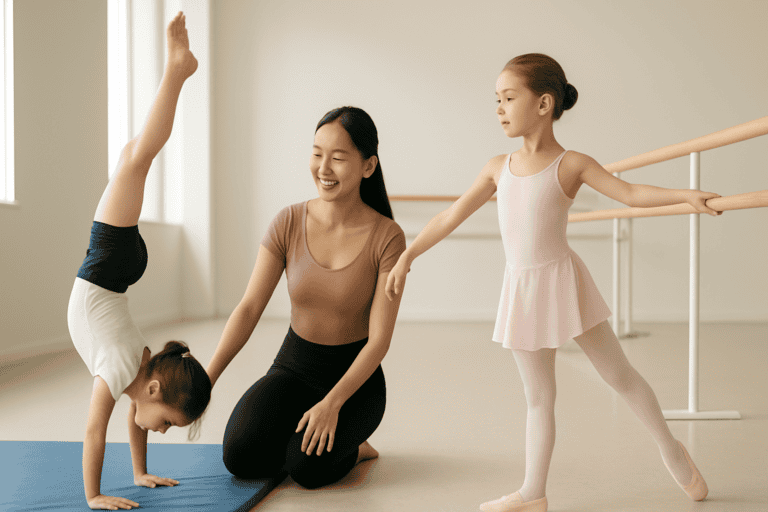
The Benefits of Cross-Training: Enhancing Skills in Gymnastics and Ballet
Table of Contents
- Introduction
- What is Cross-Training?
- Benefits of Cross-Training in Gymnastics and Ballet
- Enhancing Physical Skills
- Mental Benefits of Cross-Training
- How to Integrate Cross-Training in Your Routine
- Student Spotlights
- Conclusion
Introduction
At Asia Gymnastics & Dance Academy (AGDA), we believe in the cross-training benefits gymnastics ballet can offer students of all ages. Whether your child is a budding gymnast or an aspiring ballet dancer, integrating both disciplines can enhance their training experience and physical capabilities.
What is Cross-Training?
Cross-training involves participating in multiple sports or activities to improve overall performance. For young athletes, this means practicing different forms of exercise that complement and enhance their primary sport. In the case of gymnastics and ballet, each discipline provides unique benefits that can lead to greater success in both.
Benefits of Cross-Training in Gymnastics and Ballet
Combining gymnastics and ballet training offers numerous advantages:
- Improved Strength: Both disciplines focus on core strength, which is essential for stability and control in movements.
- Enhanced Flexibility: Ballet training emphasizes flexibility, which can improve gymnastic performances.
- Better Coordination: Engaging in both forms of training helps develop coordination and balance.
- Increased Endurance: The combination of high-intensity gymnastics with the stamina required for ballet can boost overall endurance.
- Reduced Risk of Injury: Cross-training can lead to a well-rounded fitness level, decreasing the likelihood of injuries.
Enhancing Physical Skills
Training in gymnastics develops explosive strength and agility, while ballet focuses on grace and poise. By cross-training, students can:
- Develop a Stronger Core: Both gymnastics and ballet rely heavily on core strength for executing movements.
- Improve Flexibility: Ballet’s stretching routines can enhance the flexibility needed for gymnastics routines.
- Master Body Awareness: Understanding body positioning and movement in both disciplines can lead to improved performance.
Mental Benefits of Cross-Training
In addition to physical advantages, cross-training provides mental benefits, including:
- Increased Confidence: Excelling at multiple disciplines builds self-esteem and confidence.
- Enhanced Focus: Ballet’s emphasis on control and concentration can improve focus during gymnastics routines.
- Creativity in Movement: Exposure to different styles encourages creative expression in routines.
How to Integrate Cross-Training in Your Routine
To effectively implement cross-training in gymnastics and ballet, consider the following tips:
- Schedule Classes: Coordinate class schedules to allow for both gymnastics and ballet training each week.
- Encourage Home Practice: Suggest practicing ballet stretches at home to enhance flexibility for gymnastics.
- Set Goals: Help your child set realistic goals that incorporate skills from both disciplines.
Student Spotlights
At AGDA, we celebrate the achievements of our young gymnasts and ballet dancers. Check out our Student Spotlight series to see how cross-training has positively impacted their journeys.
Conclusion
Incorporating the cross-training benefits gymnastics ballet into your child’s routine can enhance their overall performance and enjoyment in both disciplines. At AGDA, we provide a supportive environment that nurtures both gymnastics and ballet skills under one roof. If you’re looking for a comprehensive training experience for your child, explore our classes today!